The Ebola outbreak in the eastern regions of the Democratic Republic of the Congo (DRC) is rapidly escalating into a major humanitarian and public health emergency. The World Health Organization (WHO) has officially raised the national Ebola risk level in the DRC to “very high,” warning that the virus may already have spread undetected for weeks.
The outbreak is being driven by the rare and dangerous Bundibugyo strain of the Ebola virus — a strain for which there is currently no approved vaccine or specific treatment. As infections continue to rise and violence disrupts medical operations, health officials fear the outbreak could spread further across Central and East Africa.
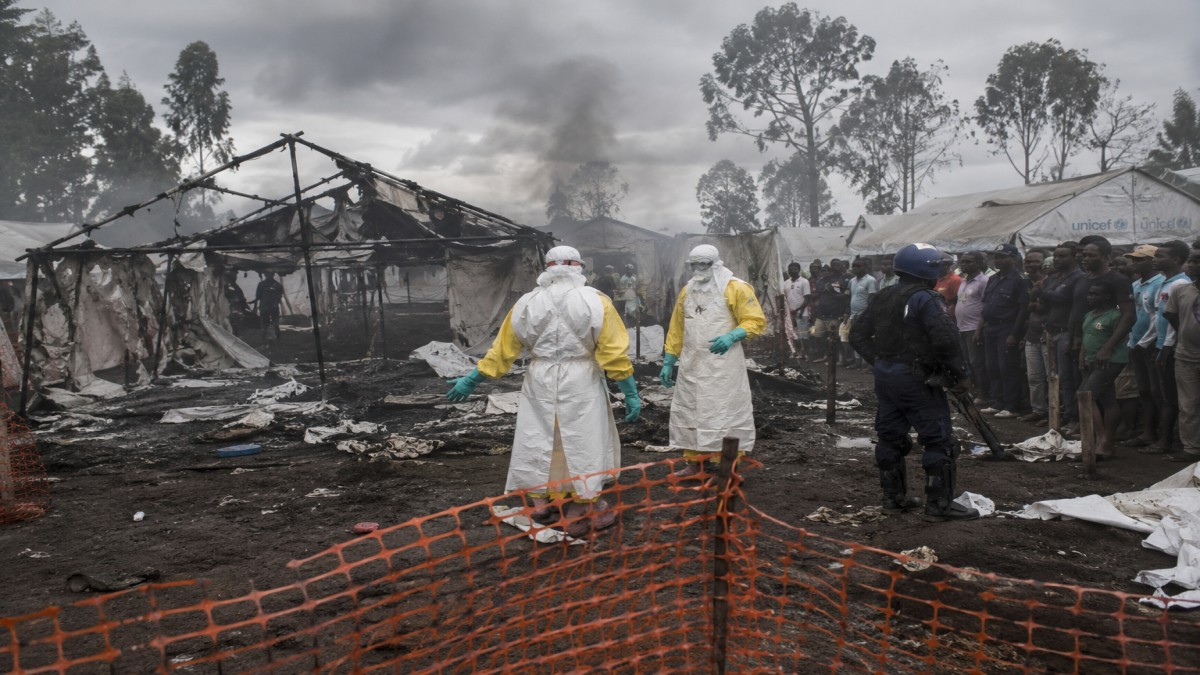
The crisis has become even more alarming after angry residents attacked and set fire to an Ebola treatment facility in Ituri Province, highlighting the growing mistrust between local communities and health authorities.
What Is the Ebola Virus?
Ebola Virus Disease is a highly infectious and often deadly disease caused by several species of the Ebola virus. It spreads through direct contact with bodily fluids such as blood, saliva, sweat, vomit, or contaminated objects.
The disease first appeared in Africa in 1976 and has since caused multiple deadly outbreaks across the continent.
Common Ebola Symptoms
Early symptoms of Ebola can resemble flu or malaria, making early detection difficult. Common symptoms include:
- High fever
- Severe headache
- Muscle pain
- Weakness and fatigue
- Vomiting and diarrhea
- Stomach pain
- Internal and external bleeding in severe cases
The virus can spread rapidly if infected individuals are not isolated quickly.
WHO Raises Ebola Risk Level in DR Congo
The World Health Organization has declared the national risk level in the DRC as “very high,” while the regional risk remains high. However, WHO currently considers the global risk level low.
Health experts say the situation is especially concerning because the outbreak involves the Bundibugyo strain, which lacks an approved vaccine or proven treatment protocol.
WHO officials believe the true scale of the outbreak may be far larger than confirmed reports suggest due to weak healthcare systems, insecurity, and underreporting in conflict-affected areas.
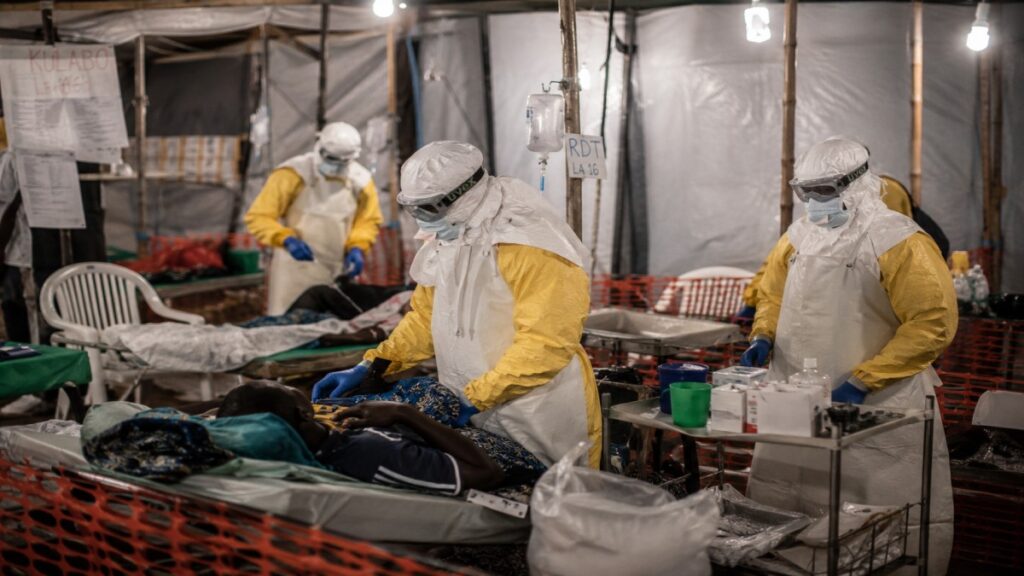
Ebola Treatment Centre Attacked and Burned
One of the most shocking incidents during the outbreak occurred at Rwampara General Hospital near Bunia in Ituri Province.
What Happened?
A group of angry youths and residents stormed the Ebola treatment centre after authorities refused to release the body of a person who reportedly died from suspected Ebola.
According to health officials:
- Protesters threw stones and projectiles
- Isolation tents were burned
- Parts of the treatment facility were set on fire
- Police fired warning shots to disperse the crowd
- At least one healthcare worker was injured
The violence temporarily disrupted Ebola response operations and increased fears of wider virus transmission.
Why Did Residents Attack the Ebola Centre?
The unrest was largely triggered by strict Ebola burial protocols.
Why Authorities Refused to Release the Body
Health experts say Ebola victims remain highly contagious even after death. WHO guidelines require:
- Safe and dignified burials
- Special burial teams wearing protective equipment
- Restricted handling of bodies
Authorities feared that allowing families to take the body could trigger additional infections.
Cultural and Emotional Conflict
In many parts of eastern Congo, traditional funeral practices involve family members gathering around, washing, or touching the deceased before burial.
Because these customs are now restricted, many communities feel emotionally devastated and excluded from saying goodbye to loved ones.
This frustration has fueled mistrust toward health workers and aid agencies.
Rumours and Misinformation Fuel Fear
False information and conspiracy theories are worsening the outbreak response.
Some rumours circulating in affected communities claim:
- Ebola is fake
- Hospitals profit from Ebola patients
- Human organs are being trafficked
These claims have caused some patients to flee treatment centres and discouraged others from seeking medical help.
Health organizations warn that misinformation could become one of the biggest obstacles to containing the outbreak.
Ebola Cases and Death Toll
There are major differences between official confirmed cases and suspected cases reported by local authorities and international organizations.
WHO Estimates
According to WHO:
- 82 confirmed Ebola cases
- 7 confirmed deaths
- Nearly 750 suspected cases
- Around 177 suspected deaths
Local and Other Reports
Congolese authorities and other reports indicate:
- Nearly 800 total cases
- Approximately 180 deaths
- Some estimates suggest 600–670 suspected cases and 139–160 deaths
WHO says the actual outbreak may be significantly larger because many infections remain untested or unreported.
Areas Affected by the Ebola Outbreak
The outbreak has already spread across multiple provinces in the DRC, including:
- Ituri Province
- North Kivu Province
- South Kivu Province
South Kivu was recently added to the list of affected regions, increasing concerns about wider transmission.
Ebola Cases Confirmed Outside DR Congo
The outbreak has already crossed borders.
Uganda Reports Linked Cases
Uganda has confirmed Ebola-linked infections, including at least one death connected to the outbreak.
Because of growing regional risks, the Africa Centres for Disease Control and Prevention (Africa CDC) has placed several countries on high alert, including:
- South Sudan
- Rwanda
- Kenya
- Tanzania
- Ethiopia
- Republic of the Congo
- Burundi
- Angola
- Central African Republic
- Zambia
International health agencies fear increased cross-border movement could accelerate transmission.
Major Challenges in Containing the Outbreak
The Ebola response faces enormous logistical and security challenges.
Key Problems Include:
- Armed conflict in eastern DRC
- Mass displacement of civilians
- Weak healthcare infrastructure
- Shortage of medicines and trained staff
- Limited funding
- Misinformation and mistrust
- Patients escaping isolation centres
Humanitarian groups say the region’s ongoing violence is making medical operations extremely difficult.
Humanitarian Crisis Deepens
The Ebola outbreak is unfolding alongside a severe humanitarian emergency.
Current estimates suggest:
- Around 4 million people need humanitarian aid
- Nearly 2 million people have been displaced
- More than 10 million people face acute hunger
Health officials warn that crowded displacement camps and poor sanitation could increase infection risks.
WHO, UN and International Response
International agencies are increasing emergency operations to stop the spread.
WHO Actions
The World Health Organization has:
- Deployed 22 international staff members
- Released $3.9 million in emergency funding
- Started preparations for experimental vaccine and treatment trials
United Nations Response
The United Nations allocated up to $60 million in emergency assistance.
The UN peacekeeping mission MONUSCO has airlifted:
- Medicines
- Protective equipment
- Emergency tents
Red Cross and Aid Groups
Aid agencies are conducting:
- Door-to-door awareness campaigns
- Safe burial operations
- Community engagement programs
Public Health Measures and Restrictions
Authorities are urging residents to follow strict safety guidelines.
Residents Have Been Advised To:
- Wash hands regularly
- Avoid contact with sick individuals
- Cook food thoroughly
- Avoid self-medication
- Follow health worker instructions
Restrictions Introduced
Officials have also imposed:
- Ban on moving dead bodies
- Suspension of wake services
- Limits on large public gatherings
These measures are intended to reduce human-to-human transmission.
Additional Developments
Several important developments have added to international concern:
- WHO says “Patient Zero” has not yet been identified
- The virus may have circulated undetected for weeks
- Two Americans exposed to Ebola were transferred to Europe for monitoring and treatment
- The United States introduced travel-related screening restrictions
- The India-Africa Forum Summit was postponed
- Congo’s national football team canceled World Cup preparation activities
These actions highlight growing fears about regional spread.
Why This Ebola Outbreak Matters Globally
Although WHO currently classifies the global risk as low, experts warn the situation could deteriorate rapidly if the outbreak remains uncontrolled.
The combination of conflict, misinformation, population displacement, and the absence of an approved vaccine for the Bundibugyo strain makes this outbreak especially dangerous.
Public health officials emphasize that early detection, international cooperation, community trust, and strong healthcare support will be critical in preventing another major Ebola catastrophe.
Disclaimer
This article is for informational and educational purposes only. Health statistics and outbreak figures may change as new data becomes available from international and local health authorities. Readers should follow guidance issued by official public health organizations such as the World Health Organization (WHO) and national health agencies.
Frequently Asked Questions (FAQ)
What is the Ebola virus?
Ebola is a deadly viral disease that spreads through direct contact with infected bodily fluids.
What strain is causing the current outbreak?
The outbreak is caused by the Bundibugyo strain of Ebola.
Is there a vaccine for the Bundibugyo strain?
Currently, there is no approved vaccine or treatment specifically for this strain.
Which countries are affected?
The main outbreak is in the Democratic Republic of the Congo, with linked cases reported in Uganda.
Why are Ebola burials restricted?
Ebola victims remain infectious after death, so special burial protocols are required to prevent further spread.
What are the symptoms of Ebola?
Symptoms include fever, weakness, vomiting, diarrhea, muscle pain, and bleeding in severe cases.
Why did people attack the Ebola treatment centre?
Residents were angry after authorities refused to release the body of a deceased relative due to infection risks.


One thought on “Ebola Outbreak in Eastern DRC Turns Critical as WHO Raises Risk to “Very High””