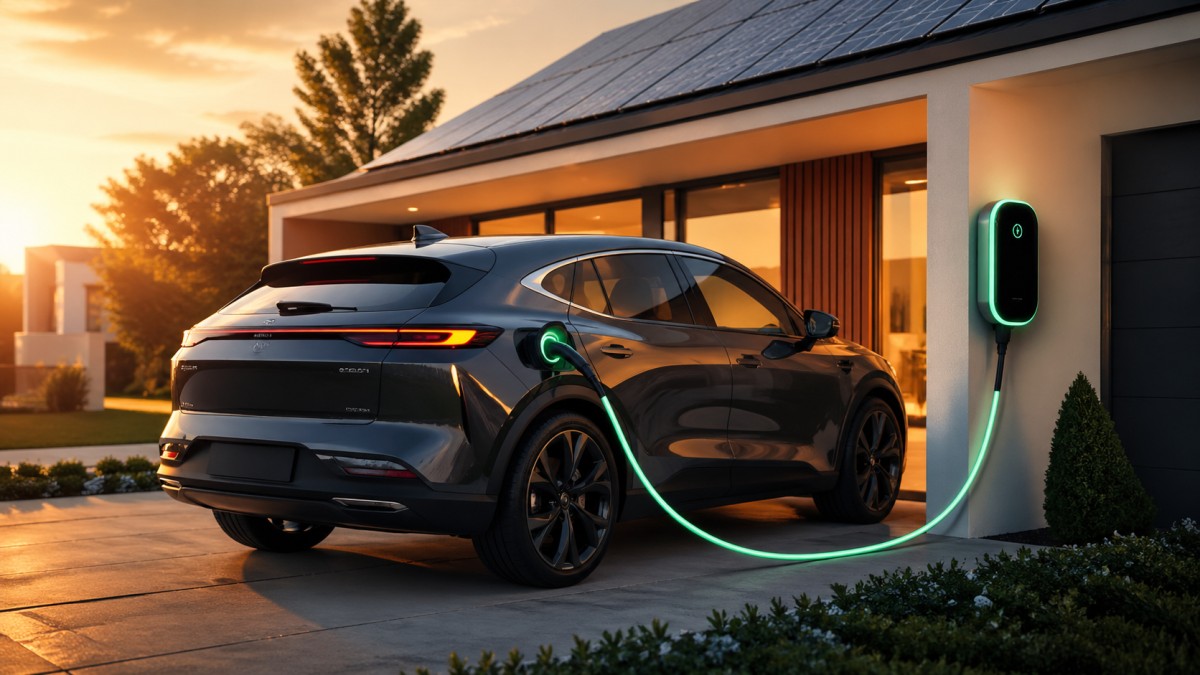
Electric Vehicle Beginner’s Guide: Everything You Need to Know Before Driving an EV in 2026
Switching to an electric vehicle (EV) is one of the most exciting transitions in modern transportation. With rising fuel costs, environmental awareness, and rapid technological advancements, EVs are no longer a futuristic concept—they’re a practical reality.
However, if you’re new to EVs, the experience can feel completely different from driving a traditional petrol or diesel car. From charging habits to driving techniques, there’s a learning curve involved.
This comprehensive guide will walk you through everything you need to know before owning and driving an electric vehicle in 2026.
Looking for the best electric SUVs available today? Don’t miss our detailed guide on Best Compact Electric SUVs in 2026 Ranked by BuzzScore , where we break down top models based on range, performance, and overall value.
What “Electrified” Really Means
Before diving into EV ownership, it’s essential to understand the different types of electrified vehicles available today.
Hybrid (HEV)
Hybrid Electric Vehicles combine a petrol engine with an electric motor. These vehicles do not need to be plugged in. Instead, they recharge their batteries through regenerative braking and engine power.
Best for: People who want better fuel efficiency without changing their driving habits.
Plug-in Hybrid (PHEV)
Plug-in hybrids take things a step further. They can run on electric power alone for about 25–50 miles before switching to hybrid mode.
Best for: Short daily commutes with occasional long drives.
Electric Vehicle (EV)
Fully electric vehicles run entirely on electricity. There’s no fuel tank, no exhaust, and no engine noise.
Best for: Drivers ready to fully transition to electric mobility.
1. Learn EV-Specific Driving Features
Driving an EV is not just about pressing the accelerator—it’s a different experience altogether.
One-Pedal Driving
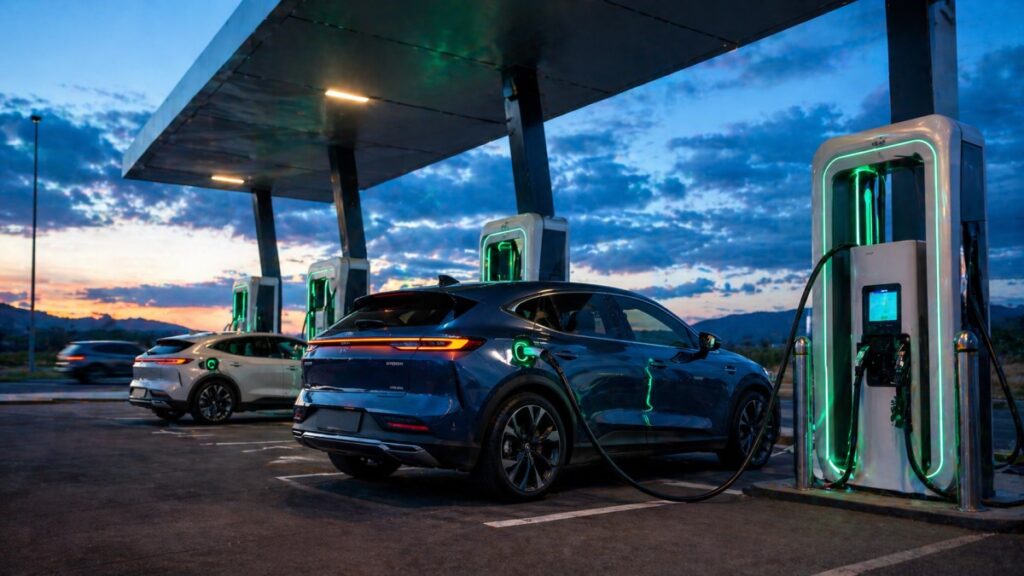
One of the most unique features in EVs is one-pedal driving. When you lift your foot off the accelerator, the car slows down automatically using regenerative braking.
This system converts kinetic energy into electricity and sends it back to the battery.
Important note:
It may feel unusual at first and can cause slight motion discomfort for new drivers. However, most users adapt quickly and even prefer it over time.
Want to switch to electric without breaking the bank? Check out our detailed guide on Cheapest Electric Vehicles in 2026: Best Budget EVs to Save Money on Fuel to discover the most affordable EV options available today.
Unconventional Door Handles
Many EVs feature modern, aerodynamic designs. This includes:
- Pop-out handles
- Button-operated doors
- Flush designs
These may take some getting used to but are designed to improve efficiency and aesthetics.
Touchscreen Controls
Unlike traditional cars, many EVs replace physical buttons with digital controls.
You may need to use the touchscreen for:
- Climate control
- Navigation
- Audio settings
While it offers a sleek interface, it can initially feel less intuitive compared to physical controls.
Startup Process
Many EVs eliminate the traditional ignition system. In most models:
- Sit in the driver’s seat
- Press the brake pedal
- The car is ready to drive
No engine noise, no start button—it’s silent and instant.
2. Understand Real-World Driving Range
One of the most common misconceptions about EVs is their range.
EPA Range vs Reality
The advertised range (EPA estimate) does not always match real-world driving conditions.
For example:
- EPA range: 259 miles
- Daily usable range (80% charge): ~207 miles
- Practical range with safety buffer: ~182 miles
Why You Shouldn’t Use 100% Daily
Charging your EV battery to 100% every day can degrade battery health over time.
Recommended practice:
- Charge up to 80% for daily use
- Keep at least 20% battery remaining
This helps maintain long-term battery efficiency.
Factors That Affect EV Range
Your actual driving range can vary depending on several conditions:
- Temperature: Cold weather reduces battery efficiency
- Speed: Higher speeds drain the battery faster
- Terrain: Uphill driving consumes more energy
- AC/Heating: Climate systems can significantly impact range
Understanding these variables helps you plan better and avoid range anxiety.
3. Know Charging Types and Speeds
Charging is the biggest difference between EVs and conventional vehicles.
Level 1 Charging (120V)
- Speed: ~5 miles per hour
- Best for: Emergency or occasional use
- Limitation: Very slow
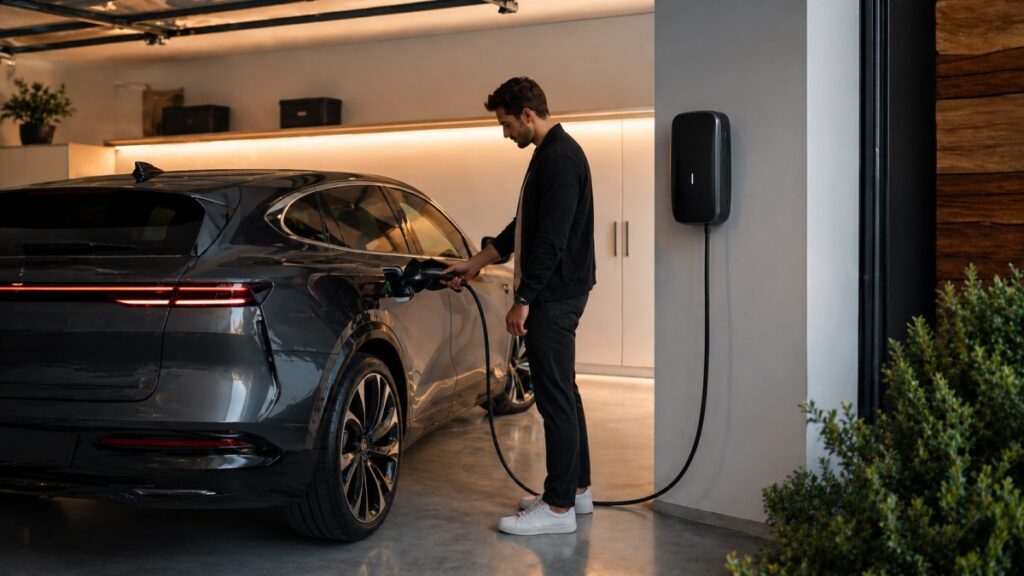
Level 2 Charging (240V)
- Speed: ~25 miles per hour
- Best for: Home charging
- Most practical solution for daily use
DC Fast Charging
- Speed: 100–200 miles in ~30 minutes
- Best for: Road trips and quick top-ups
Important tip:
Using an ultra-fast charger does not mean faster charging if your EV doesn’t support higher charging speeds.
Public Charging Reality
Public chargers are convenient but come with limitations:
- Not always free
- Pricing varies
- Time restrictions may apply
Planning ahead is essential when relying on public charging.
Worried about range anxiety? Explore our expert roundup of Top 10 Longest-Range Electric Cars in 2026 , featuring EVs that can travel over 400 miles on a single charge.
4. Prepare Your Home for Charging
Home charging is one of the biggest advantages of EV ownership.
Install a Level 2 Charger
To get the best experience, install a Level 2 charging system at home.
- Typical cost: $1,000 or more
- Installation must be done by a qualified electrician
- Electrical panel upgrades may be required
Take Advantage of Utility Benefits
Many electricity providers offer incentives such as:
- Night-time charging discounts
- EV rebates
- Lower tariffs for off-peak usage
These can significantly reduce your overall charging costs.
Safety Tips
- Avoid using extension cords
- Ensure proper wiring and installation
- Use certified charging equipment
Safety should always be a priority.
5. Plan Long Trips Carefully
Unlike petrol cars, EV road trips require thoughtful planning.
Charging to 100% for Trips
While daily charging should be limited to 80%, it’s perfectly fine to charge to 100% before long journeys.
Use Navigation Tools
Apps like Google Maps can help you calculate:
- Total distance
- Remaining battery
- Charging stops
Example Road Trip Scenario
- Starting range: 259 miles
- After travel: ~91 miles remaining
Maintaining a buffer ensures you don’t run out of charge unexpectedly.
Always Have Backup Charging Options
Before starting your trip:
- Locate chargers near your destination
- Identify backup charging stations
- Prefer DC fast chargers for efficiency
Apps like PlugShare provide real-time updates about charger availability and functionality.
Additional Tips for First-Time EV Drivers
Adapt Your Driving Style
Smooth acceleration and deceleration improve efficiency and extend range.
Monitor Energy Consumption
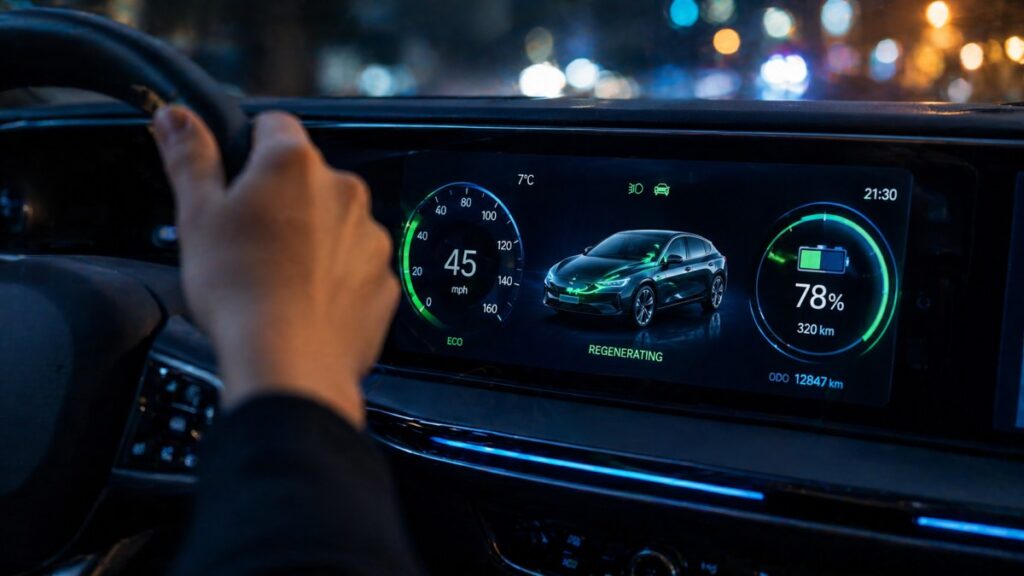
Most EVs provide real-time data on energy usage. Use it to optimize your driving habits.
Understand Regenerative Braking
Maximizing regenerative braking helps recharge your battery and improves efficiency.
Stay Updated with Software
EVs often receive software updates that improve performance, efficiency, and features.
Final Thoughts
Electric vehicles are not just a new type of car—they represent a completely different driving experience.
From silent operation and instant acceleration to home charging convenience, EVs offer numerous advantages. However, understanding their unique features, charging systems, and range limitations is crucial for a smooth transition.
By learning how EVs work and planning your usage wisely, you can enjoy a hassle-free, cost-effective, and environmentally friendly driving experience.
The future of mobility is electric—and with the right knowledge, you’ll be ready to embrace it confidently.

One thought on “Electric Vehicle Beginner’s Guide: Everything You Need to Know Before Driving an EV in 2026”