FIFA 2026 Kit Prices Spark Fan Backlash Worldwide
The excitement surrounding the 2026 FIFA World Cup continues to grow as football fans prepare for the biggest tournament in the sport’s history. Hosted across the United States, Canada, and Mexico, the event is expected to attract millions of supporters from around the globe. But while anticipation is building on the pitch, frustration is also rising off it.
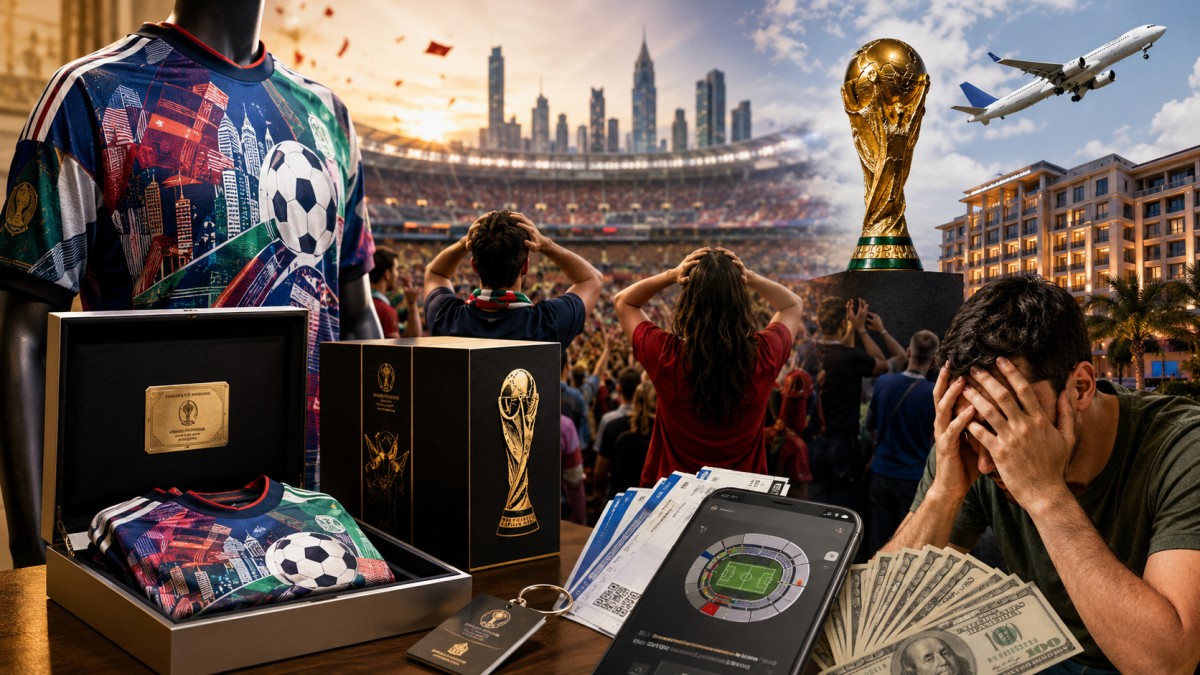
FIFA’s latest launch — a collection of limited-edition World Cup jerseys inspired by host cities — has triggered widespread debate online. The kits, priced at approximately $380 each, are being marketed as premium collector’s items. However, many supporters believe the launch represents another example of football becoming increasingly inaccessible to ordinary fans.
FIFA’s Premium Jersey Collection
The newly released jerseys are inspired by selected host cities of the 2026 FIFA World Cup. FIFA says the collection combines sportswear innovation with exclusive memorabilia appeal.
Each jersey includes several premium features, such as:
- Athlete-grade performance materials
- Moisture-wicking technology
- NFC-enabled digital access
- Luxury packaging
- Collectible inserts
- Certificates of authenticity
FIFA has also confirmed that only 999 units of each city-themed jersey will be produced worldwide. The company appears to be using scarcity as a major part of its marketing strategy, positioning the kits as rare collector’s items rather than standard fan merchandise.
For collectors and high-end football memorabilia buyers, the launch may feel exciting. But for many regular supporters, the announcement has become symbolic of a larger problem within modern football.
Fans Already Struggling With World Cup Costs
The criticism surrounding the jerseys comes at a time when supporters are already worried about the overall cost of attending the 2026 World Cup.
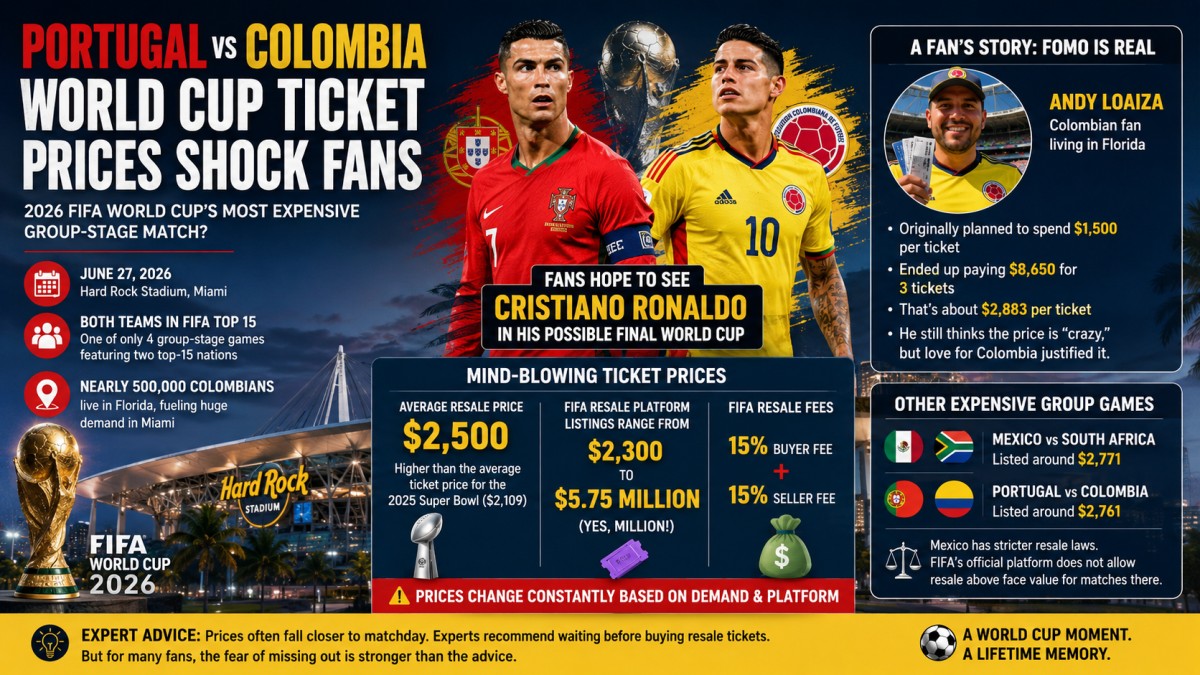
Ticket prices for several matches have reached levels many fans describe as unrealistic. FIFA’s dynamic pricing model, which increases prices based on demand, has become one of the biggest sources of frustration.
According to reports circulating online, some of the most anticipated matches have already seen resale prices climb dramatically. The USA vs Paraguay opening-stage match has emerged as one of the most expensive early tournament games, with minimum ticket prices reportedly hovering around $1,000.
For many supporters, the ticket itself is only part of the financial challenge.
Travel expenses across North America are expected to be extremely high during the tournament. Flights between host cities may become significantly more expensive as demand increases closer to kickoff. Hotel prices in major host locations are already seeing spikes, particularly in cities expected to host high-profile matches.
Supporters are also concerned about local transportation costs. Some host cities reportedly have expensive train and bus fares for stadium routes located outside central metropolitan areas. Fans traveling across multiple cities could end up spending thousands of dollars before even entering a stadium.
Growing Anger Over Commercialization
The backlash against the limited-edition kits reflects broader concerns about the commercialization of football.
On social media, many supporters argue that football’s biggest tournament is increasingly being designed for wealthy consumers, corporate clients, and collectors instead of traditional fans. Critics believe the emotional connection between supporters and the World Cup is being replaced by luxury branding and exclusive experiences.
The $380 jerseys have become a flashpoint in that conversation.
Many fans say the pricing feels disconnected from the realities faced by ordinary football supporters around the world. In several countries where football remains deeply tied to working-class culture, spending hundreds of dollars on a jersey is simply unrealistic.
Others argue that scarcity-based marketing tactics are making the situation worse. By limiting production to only 999 units, FIFA creates urgency and exclusivity, encouraging supporters to buy immediately out of fear that the products will disappear.
Critics say the strategy resembles luxury streetwear or sneaker culture more than traditional football merchandising.
The Shift Toward Luxury Sports Merchandise
The controversy also highlights a growing trend across global sports: the rise of premium collectibles.
Sports organizations increasingly release exclusive apparel, limited-edition collaborations, and high-priced memorabilia aimed at collectors rather than general fans. These products often generate strong profits because scarcity increases perceived value.
In FIFA’s case, the World Cup is no longer just a sporting event — it is also a massive commercial platform involving sponsorships, licensing deals, digital experiences, and luxury merchandise.
The NFC-enabled features included in the jerseys show how sports brands are trying to merge physical collectibles with digital content. Buyers may gain access to exclusive online experiences, behind-the-scenes material, or authentication tools linked directly to the jersey.
While some collectors appreciate these innovations, many fans see them as unnecessary additions used to justify higher prices.
A Tournament for Everyone — or Only the Wealthy?
One of the biggest fears expressed by supporters is that the World Cup could gradually become an event primarily accessible to affluent fans.
Historically, football has built its identity around passionate local supporters, traveling fan groups, and accessible stadium culture. Many fans worry that rising costs are pushing ordinary supporters further away from the live experience.
The combination of expensive tickets, rising accommodation costs, premium merchandise, and dynamic pricing has created a perception that affordability is no longer a priority.
Some supporters believe FIFA risks damaging the atmosphere that has traditionally made the World Cup special. Passionate fans create the chants, colors, energy, and emotional identity of the tournament. If fewer regular supporters can attend, the tournament experience itself could change.
FIFA’s Business Perspective
From FIFA’s perspective, the limited-edition kits represent a business opportunity tied to one of the world’s largest sporting events.
The organization understands that collectors often value exclusivity and premium presentation. By producing only 999 jerseys per city, FIFA creates instant rarity — a strategy commonly used in luxury retail markets.
Demand for collectible football merchandise has grown significantly in recent years, especially among international buyers and investors who view sports memorabilia as valuable assets.
The jerseys may ultimately sell out despite criticism, which could encourage FIFA and other sports organizations to continue pursuing similar strategies in the future.
The Debate Around Modern Football
The reaction to FIFA’s new jersey collection reflects a larger debate taking place throughout global football.
As revenues increase and commercial partnerships expand, supporters continue asking the same question: who is modern football really for?
For some fans, premium products and exclusive experiences are simply part of the sport’s global growth. For others, they represent a growing disconnect between football institutions and the supporters who built the game’s culture.
The 2026 FIFA World Cup promises to be historic in scale, entertainment, and global attention. But alongside the excitement, the tournament is also becoming a symbol of how expensive modern football has become.
Whether FIFA’s limited-edition jerseys become collector’s treasures or reminders of fan frustration, one thing is clear — the conversation about affordability in football is not going away anytime soon.
Disclaimer
This article is based on publicly discussed reports, fan reactions, and market trends related to the 2026 FIFA World Cup. Ticket prices, merchandise costs, and travel expenses may vary over time depending on availability, demand, and official FIFA announcements. The article is intended for informational and editorial purposes only and does not represent official statements from FIFA or affiliated organizations.

One thought on “FIFA 2026 Kit Prices Spark Fan Backlash Worldwide”