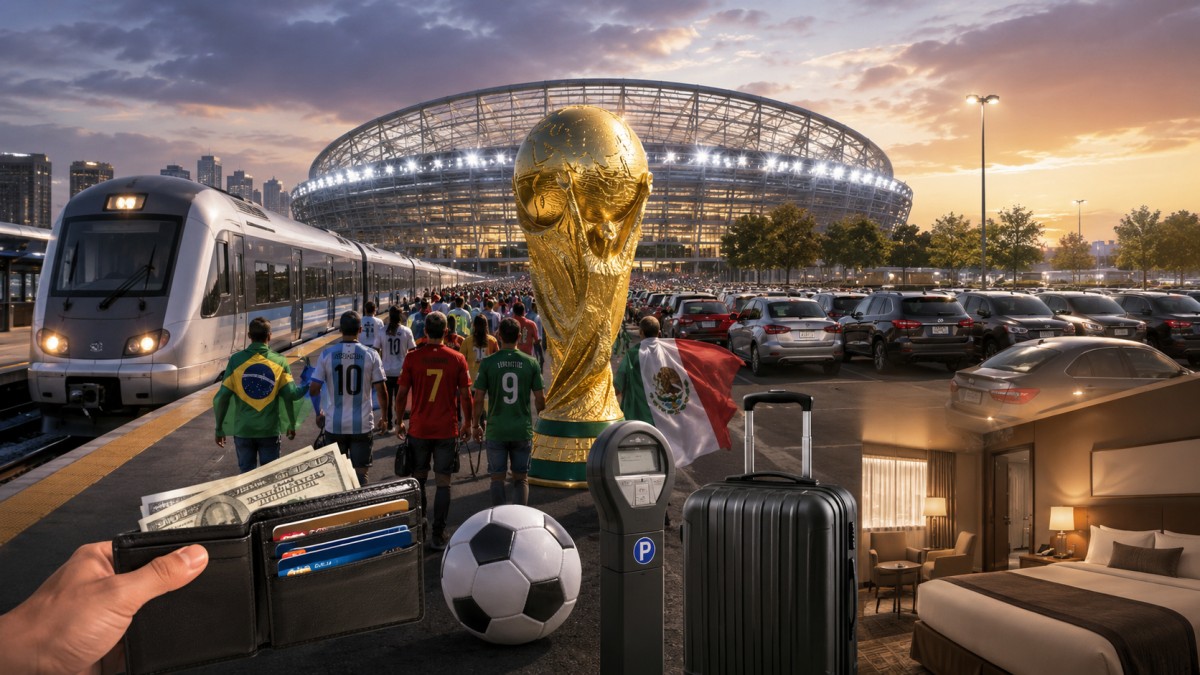
2026 FIFA World Cup Costs Shock Fans Across Host Cities
The 2026 FIFA World Cup is already shaping up to be one of the most expensive sporting events ever for fans traveling across North America. While excitement surrounding the expanded tournament continues to grow, concerns are mounting over skyrocketing prices for transportation, parking, hotels, and accommodations in several host cities.
From Dallas-Fort Worth to New York and Boston, fans may face costs far beyond what many expected when planning their World Cup experience. Although FIFA has promoted the tournament as a celebration of global football culture, the financial burden attached to attending matches is quickly becoming one of the biggest talking points ahead of kickoff.
Transportation Costs Rising Rapidly
One of the clearest signs of the price surge is public transportation pricing during match days. According to reports highlighted by ESPN, several transportation systems around host cities are preparing for dramatic fare increases during the tournament period.
In the New York-New Jersey area, round-trip train fares from New York City to MetLife Stadium in East Rutherford are expected to jump from the standard $12.90 to approximately $105 on World Cup match days. Early projections reportedly suggested fares could reach as high as $150 before New Jersey Governor Mikie Sherrill negotiated a reduced rate with NJ Transit.
The steep increase has sparked criticism from fans who believe public transportation should remain affordable during major international events. Many supporters argue that encouraging the use of trains and buses should involve lowering prices rather than multiplying them several times over.
Boston-area transportation is also expected to become significantly more expensive. Train fares to Foxborough Stadium during the World Cup could reportedly cost four times more than normal pricing levels, further adding to the growing concern surrounding affordability for supporters.
Parking Prices Becoming a Major Issue
For fans planning to drive to matches, parking expenses may become one of the most painful parts of the World Cup experience.
Parking at many World Cup venues is expected to start above $100 per vehicle, with premium lots and oversized vehicle spaces reaching much higher levels.
At AT&T Stadium in Arlington, Texas — one of the marquee venues for the tournament — parking prices are already drawing widespread attention. Fans attending matches at the stadium must purchase parking passes in advance through JustPark, with group stage parking reportedly ranging from $125 to $200.
Oversized vehicle parking is expected to cost around $500, a figure that many fans online have described as excessive. Even standard parking for high-profile matches is priced aggressively. Parking for the Argentina vs Austria match scheduled for June 22 reportedly starts at $175.
As the tournament progresses into the knockout rounds, prices may rise even further. Later-stage match parking is expected to range from approximately $150 to $250 depending on location and demand.
For many traveling supporters, these parking costs may rival or even exceed the cost of some match tickets themselves.
Dallas-Fort Worth Preparing for Massive Crowds
The Dallas-Fort Worth region is expected to become one of the busiest World Cup destinations in the United States. AT&T Stadium will host several major matches, attracting tens of thousands of international visitors.
Local authorities are encouraging fans to avoid driving whenever possible due to anticipated traffic congestion around Arlington and surrounding areas.
One of the more affordable transportation alternatives comes from Trinity Metro and the Trinity Railway Express. Fans traveling from Fort Worth can take the Trinity Railway Express to CentrePort Station before boarding shuttle buses that will transport visitors to the stadium.
Trinity Metro confirmed that round-trip transportation from Fort Worth to Arlington during match days will cost approximately $9. The organization also plans to operate additional shuttle services on non-match days to help tourists reach entertainment districts and attractions around the metro area.
Under normal conditions, the fare from Fort Worth to CentrePort typically costs about $2 per trip, while standard regional rail day passes generally cost $9. Although some transportation systems are increasing prices dramatically, Trinity Metro’s pricing has remained comparatively reasonable so far.
DART, the Dallas Area Rapid Transit system, has not officially confirmed whether prices for travel between Dallas and Arlington will increase during the World Cup period.
Hotel Prices Skyrocket Across the Region
Accommodation costs may ultimately become the biggest challenge for fans attending the tournament.
Hotels across Dallas-Fort Worth are already showing enormous price increases for the peak World Cup period between June 13 and June 20. Even budget hotels are listing rooms at luxury-level rates.
A Motel 6 in North Richland Hills reportedly increased prices from roughly $50 per night during May to between $900 and $1,000 per night during the tournament week. Similar increases have appeared throughout the metro area.
Extended Stay America Suites in Arlington saw nightly rates rise from under $90 to nearly $800 during the same period. A La Quinta Inn & Suites in Grand Prairie reportedly listed rooms for more than $800 per night as demand surged.
Nearby properties are also experiencing dramatic increases. Home2Suites showed room rates around $787 per night, while upscale hotels such as Loews Arlington and Hotel Drover displayed some of the highest prices in the region. Hotel Drover rooms reportedly approached $964 per night during World Cup week.
The rapid increase in hotel pricing reflects the enormous demand expected during the tournament, especially near stadiums and entertainment districts.
However, not every hotel in the area has become unaffordable. Some properties in Fort Worth still showed rooms available for under $100 per night, while several mid-range hotels remained only slightly above the $100 mark. Fans willing to stay farther from stadiums may still find comparatively affordable lodging options.
Airbnb Emerging as a Cheaper Alternative
While hotel prices continue to surge, Airbnb rentals appear to offer a somewhat more affordable option for groups and families.
More than 1,000 Airbnb properties were reportedly available near Fort Worth during the tournament period. Compared to hotel rates, many short-term rental properties offered significantly better overall value, especially for larger groups splitting costs.
One two-bedroom, two-bathroom home near West Seventh Street was listed for approximately $2,800 for an entire week. Many other homes and condos ranged between $1,000 and $2,000 for the week, making them far more economical than booking multiple hotel rooms at inflated nightly rates.
Short-term rentals may ultimately become the preferred option for many international visitors trying to balance convenience and affordability during the tournament.
Growing Debate Over Accessibility
The rising costs associated with the World Cup are triggering broader discussions about whether major sporting events are becoming inaccessible to ordinary fans.
Historically, the FIFA World Cup has been celebrated as a global festival that unites supporters from every economic background. However, critics argue that increasing commercialization is slowly transforming the tournament into an event primarily accessible to wealthier travelers.
High ticket prices, expensive accommodations, premium parking fees, and inflated transportation costs are combining to create financial barriers that many supporters may struggle to overcome.
Some fans have already begun adjusting their travel plans by staying farther from host cities, using public transportation, or shortening the length of their trips in order to reduce expenses.
Others remain hopeful that prices could stabilize closer to the tournament, particularly if additional accommodations become available or transportation authorities introduce alternative options.
A Tournament Unlike Any Before
Despite the growing concerns about affordability, excitement for the 2026 FIFA World Cup remains enormous. The tournament will be the first World Cup hosted across three countries — the United States, Canada, and Mexico — and will feature an expanded format with 48 teams.
The scale of the event is expected to break attendance records and generate billions of dollars in tourism revenue. Cities hosting matches are preparing for unprecedented visitor numbers, and businesses across North America are already positioning themselves to capitalize on the massive influx of international fans.
Still, the conversation surrounding pricing is unlikely to disappear anytime soon. For many supporters, attending the World Cup is a once-in-a-lifetime dream. The challenge now is whether that dream will remain financially realistic for average football fans around the world.
Disclaimer
This article is based on publicly available reports, transportation estimates, hotel listings, and pricing information available at the time of writing. Prices for hotels, transportation, parking, and accommodations may change depending on availability, demand, location, and tournament scheduling. Readers are advised to verify current pricing directly through official providers before making travel arrangements.
Source
- ESPN transportation and pricing reports
- NJ Transit fare discussions
- Trinity Metro transportation information
- Hotel and Airbnb public listing data
- Publicly available parking information for AT&T Stadium and World Cup host venues



One thought on “2026 FIFA World Cup Costs Shock Fans Across Host Cities”