The television landscape continues to evolve, and one of America’s biggest broadcast networks is making significant changes to its schedule. CBS has confirmed that several well-known programs will not continue into 2027, marking the end of an era for some long-running favorites while also signaling a shift in the network’s future programming plans.
Although viewers are saying goodbye to a number of familiar titles, CBS has been more selective with its cancellations compared to some competing networks. The decision affects a mix of scripted dramas, sitcoms, and late-night programming, reflecting changing audience habits, production costs, and broader business considerations.
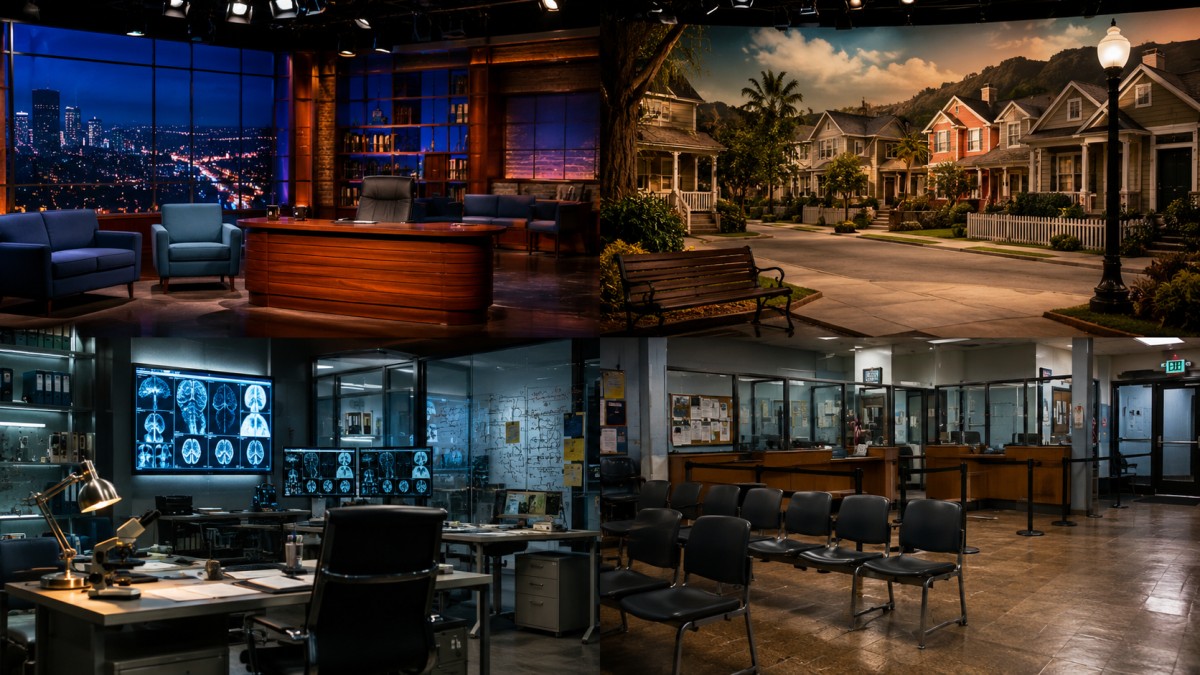
Among the shows leaving the network are the medical drama Watson, workplace comedy DMV, late-night staple The Late Show with Stephen Colbert, and the long-running sitcom The Neighborhood. Each series leaves behind a unique legacy and a dedicated audience.
Watson Ends After Two Seasons
One of the most surprising departures is Watson, a modern medical drama inspired by the world of Sherlock Holmes. The series reimagined Dr. John Watson as a medical specialist rather than a detective, placing him at the center of unusual medical investigations.
Led by actor Morris Chestnut, the show followed Watson and his team of experts as they unraveled rare diseases, puzzling symptoms, and complex patient cases. The concept blended elements of mystery storytelling with medical drama, giving viewers a fresh take on characters originally created by Sir Arthur Conan Doyle.
Despite attracting attention for its creative premise, the series was unable to secure a long-term future. CBS confirmed that the drama would conclude after its second season. The network did not provide detailed reasons for the cancellation, leaving industry observers to speculate about ratings performance, production costs, and strategic scheduling decisions.
While the show developed a loyal fan base during its run, its final episode aired in early May, bringing the medical mystery experiment to a close.
DMV Fails to Secure a Longer Run
Another casualty of the network’s programming overhaul is DMV, a workplace comedy that debuted in 2025.
Set inside a busy Department of Motor Vehicles office in East Hollywood, the series focused on the daily interactions, conflicts, and humorous situations experienced by employees and customers. The show featured an ensemble cast portraying a collection of quirky and often dysfunctional public servants navigating workplace challenges.
The comedy attempted to find humor in one of the most universally recognized government institutions. Through its unique setting, it explored themes of bureaucracy, workplace relationships, and everyday frustrations while maintaining a lighthearted tone.
Despite earning praise for its cast chemistry and relatable workplace humor, DMV struggled to establish itself as a major ratings success. CBS announced its cancellation around the same time as Watson, again offering little explanation for the decision.
The series aired its final episode in May, ending after a relatively short run. While it never became a breakout hit, it developed a niche audience that appreciated its unconventional setting and comedic approach.
The End of Stephen Colbert’s Late-Night Era
Perhaps the most significant cancellation from a cultural standpoint is The Late Show with Stephen Colbert.
CBS had previously announced that the iconic late-night program would conclude after the 2026 season. The decision marked the end of one of television’s most recognizable franchises, which has been a fixture of American entertainment for more than three decades.
Stephen Colbert took over hosting duties in 2015, succeeding legendary broadcaster David Letterman. During his tenure, Colbert transformed the program into a major platform for celebrity interviews, comedy, current events commentary, and political satire.
Network executives maintained that the cancellation was driven by financial considerations rather than ratings or content-related concerns. However, the announcement sparked widespread discussion within the media industry.
Some observers questioned whether external factors may have influenced the timing, particularly given ongoing corporate changes involving Paramount and its business dealings. Others pointed to Colbert’s outspoken political commentary as a possible source of controversy.
CBS consistently denied any political motivation behind the decision, emphasizing that economics and changing market conditions were the primary reasons for ending the program.
The show’s conclusion represents a major milestone in television history. Under Colbert’s leadership, The Late Show earned critical acclaim and industry recognition, including prestigious Emmy Awards. Its final episode closed a chapter that began in the early 1990s and helped define modern late-night television.
The cancellation also generated reactions from political figures and public personalities, underscoring the show’s influence beyond entertainment.
The Neighborhood Bows Out After Eight Successful Seasons
While some cancellations came unexpectedly, the conclusion of The Neighborhood had been planned in advance.
The sitcom, which premiered in 2018, completed an impressive eight-season run and produced more than 150 episodes. Over the years, it became one of CBS’s most reliable comedy performers and maintained a strong following among viewers.
The series centered on the relationship between a white Midwestern family and their predominantly Black neighborhood in Pasadena, California. Through humor and heartfelt storytelling, the show explored cultural differences, family dynamics, friendship, and community life.
Starring Cedric the Entertainer, Tichina Arnold, Max Greenfield, Beth Behrs, and a talented supporting cast, the comedy successfully balanced social commentary with mainstream sitcom entertainment.
CBS executives had previously indicated that the eighth season would serve as a farewell installment, allowing writers and actors to provide fans with a satisfying conclusion rather than an abrupt ending.
According to comments from Cedric the Entertainer, financial realities played a significant role in the decision to conclude the series. As television shows become successful and continue for multiple years, production expenses often increase due to rising salaries and operating costs.
The actor explained that after eight seasons, contract negotiations and compensation expectations became increasingly complex. Rather than continue under challenging financial circumstances, the decision was made to end the show on a high note.
The final episode aired in May, closing the curtain on one of CBS’s most successful modern sitcoms.
A New Direction for CBS
The departure of these four programs highlights the changing realities facing traditional television networks. Audiences now have more viewing options than ever before, including streaming platforms, digital content creators, and on-demand entertainment services.
As a result, networks must continually evaluate which programs fit their long-term strategy and financial goals. Even successful shows are not immune to cancellation if production costs rise or audience trends shift.
While fans may be disappointed to see beloved series leave the airwaves, CBS is expected to use the openings in its schedule to introduce new projects and expand its next generation of programming.
For now, viewers can look back on the impact these shows made during their runs. From medical mysteries and workplace comedy to late-night commentary and family sitcom storytelling, each series contributed something unique to the network’s lineup and left a lasting impression on audiences across the country.
Disclaimer: This article is based on publicly available reports and official announcements. Information may be updated as CBS releases additional details regarding its programming decisions.
Image Credit: Credit: OpenAI AI Image Generation