BMW iX3 Tops Real-World EV Range Test With 485 Miles, Setting a New Benchmark for Electric Vehicles
Range remains one of the most important factors for electric vehicle buyers, and a recent real-world test conducted in Norway has delivered some surprising results. While official range figures often dominate marketing campaigns, actual driving conditions can tell a very different story. In the latest summer electric vehicle range test organized by the Norwegian Automobile Federation (NAF), the BMW iX3 emerged as the clear winner, achieving the longest real-world driving range among all participating EVs.
The test highlights how modern electric vehicles are becoming increasingly efficient and capable, while also revealing significant differences between official range estimates and real-world performance. For consumers looking to purchase an electric vehicle, these findings provide valuable insight into which models truly deliver on their promises.
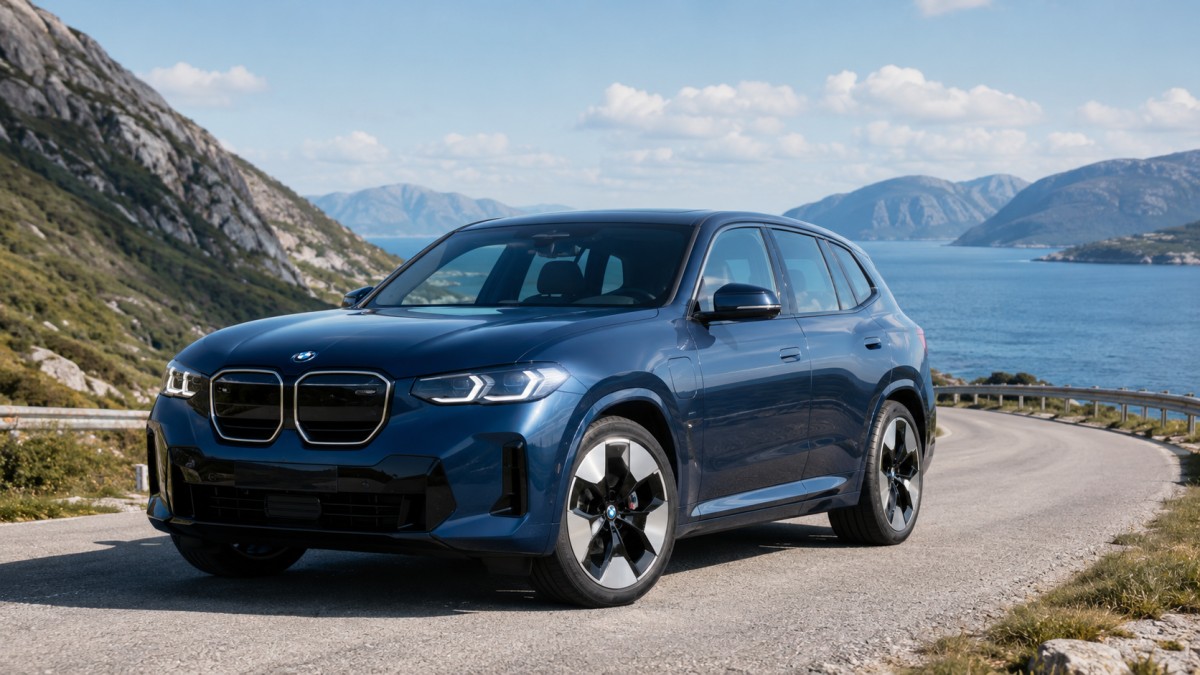
BMW iX3 Leads the Field With 485 Miles of Real-World Range
The standout performer in the NAF summer range test was the BMW iX3, which covered an impressive 485 miles on a single charge. Not only did it achieve the longest driving distance among all vehicles tested, but it also exceeded its official WLTP-rated range by approximately seven miles.
This translates to a positive deviation of around 1.5%, meaning the BMW iX3 actually performed better in real-world conditions than its official rating suggested. Such a result is relatively rare in the automotive industry, where real-world figures often fall below laboratory estimates.
The achievement is particularly significant because it demonstrates the effectiveness of BMW’s latest electric vehicle technology. The iX3 is also notable for being the first BMW model built on the company’s highly anticipated Neue Klasse platform, which has been designed specifically for the next generation of electric mobility.
Understanding WLTP Ratings and Range Deviation
One of the key metrics highlighted in the Norwegian test is range deviation. This figure measures the difference between an EV’s official WLTP range estimate and its actual performance on public roads.
WLTP, or Worldwide Harmonized Light Vehicles Test Procedure, is the primary range-testing standard used across Europe. While it offers a more realistic assessment than some older testing methods, it is generally considered more optimistic than the EPA ratings commonly used in the United States.
Range deviation is important because it helps consumers understand whether a vehicle can realistically achieve the distance promised by manufacturers. A small deviation indicates accurate range estimates, while larger gaps can create disappointment among owners expecting official figures to match real-world performance.
The BMW iX3’s positive deviation is therefore a strong indicator of both efficiency and transparency in its range claims.
Top Five EVs by Real-World Driving Range
The Norwegian test featured a variety of electric vehicles from established manufacturers and emerging EV brands. Based on real-world driving distance, the top performers were:
- BMW iX3 – 485 miles
- Lucid Gravity – 447 miles
- Mercedes-Benz CLA
- Mercedes-Benz GLC 400
- Xpeng X9
These results showcase the increasing competitiveness of the electric vehicle market, with both luxury and mainstream brands demonstrating impressive long-distance capabilities.
Lucid Gravity Delivers Strong Performance
While the BMW iX3 secured first place, the Lucid Gravity also delivered an impressive performance. The electric SUV achieved a real-world driving range of 447 miles, placing it second overall in the rankings.
However, unlike the BMW, the Lucid Gravity fell slightly short of its official WLTP rating. The vehicle carries an official range estimate of 465 miles but recorded a deviation of approximately 3.7% below that figure during testing.
Despite the small shortfall, the Gravity’s result remains highly competitive and reinforces Lucid’s reputation for producing some of the longest-range electric vehicles currently available.
Xpeng X9 Records the Best Positive Deviation
One of the most surprising results came from the Xpeng X9. Although it did not top the overall distance rankings, it achieved the strongest positive deviation of any vehicle in the test.
The Xpeng X9 carries an official WLTP range rating of 360 miles. During real-world driving, however, it managed to travel 401 miles on a single charge.
This represents an improvement of roughly 11.4% over its official figure, making it the most accurate and arguably the most conservative range estimate among all vehicles tested.
Such performance highlights the rapid progress being made by Chinese EV manufacturers, many of whom are becoming increasingly competitive on the global stage.
Toyota bZ4X Demonstrates Remarkable Accuracy
Another noteworthy result came from Toyota’s electric crossover, the bZ4X, which is marketed as the Toyota bZ in the United States.
The vehicle delivered an almost perfect match between its official rating and actual driving performance. Both the WLTP estimate and real-world result stood at 314 miles.
This near-zero deviation is significant because it shows that Toyota’s official range figures closely reflect what drivers can expect in everyday use. For consumers, predictable performance can be just as important as achieving the highest possible range.
MG IM6 Suffers the Largest Shortfall
At the opposite end of the spectrum, the MG IM6 recorded the largest negative deviation in the test.
The vehicle achieved a real-world range of 277 miles, which was approximately 11.7% below its WLTP-rated figure. While the result does not necessarily indicate poor performance, it does highlight the gap that can sometimes exist between laboratory testing and real-world driving conditions.
Such discrepancies reinforce the importance of independent testing programs that provide consumers with realistic expectations before making a purchasing decision.
Why Real-World EV Range Varies
Even the most advanced electric vehicles can produce different range results depending on a variety of factors.
Driving style remains one of the most significant influences. Aggressive acceleration and higher highway speeds can dramatically increase energy consumption. Likewise, frequent stop-and-go traffic, steep inclines, and heavy vehicle loads can affect efficiency.
Weather conditions also play an important role. Extreme temperatures, strong winds, and wet road surfaces can reduce driving range, while moderate temperatures often allow batteries to operate more efficiently.
Charging habits and battery management systems further influence performance. Manufacturers continue to refine software and energy management technologies to maximize usable range without compromising battery longevity.
BMW’s Next-Generation EV Technology Takes Center Stage
The BMW iX3’s success is about more than just a single test victory. It offers a glimpse into the future direction of BMW’s electric vehicle strategy.
Built on the Neue Klasse architecture, the iX3 introduces several key technological advancements designed to improve efficiency and charging performance. Among the most notable features is its 800-volt electrical architecture, which enables significantly faster charging compared to traditional systems.
Under ideal conditions, the vehicle can recharge from 10% to 80% battery capacity in approximately 21 minutes using compatible DC fast chargers.
BMW estimates the model will offer up to 434 miles of range in the United States, further positioning it as one of the most capable long-distance electric vehicles on the market.
The Future of Long-Range Electric Vehicles
The results of the Norwegian summer EV test demonstrate how rapidly electric vehicle technology is evolving. Manufacturers are achieving longer driving ranges through improved battery chemistry, more efficient electric motors, advanced aerodynamics, and lighter vehicle construction.
As competition intensifies, consumers are benefiting from vehicles that not only travel farther but also charge faster and deliver more consistent performance.
For now, the BMW iX3 has earned the spotlight by setting the benchmark for real-world range. Its 485-mile achievement serves as a reminder that the next generation of electric vehicles is closing the gap between official estimates and real-world expectations, bringing the industry one step closer to making range anxiety a thing of the past.
Disclaimer: This article is based on publicly reported results from the Norwegian Automobile Federation (NAF) summer EV range test. Actual driving range may vary depending on driving habits, speed, terrain, weather conditions, vehicle configuration, and battery health.