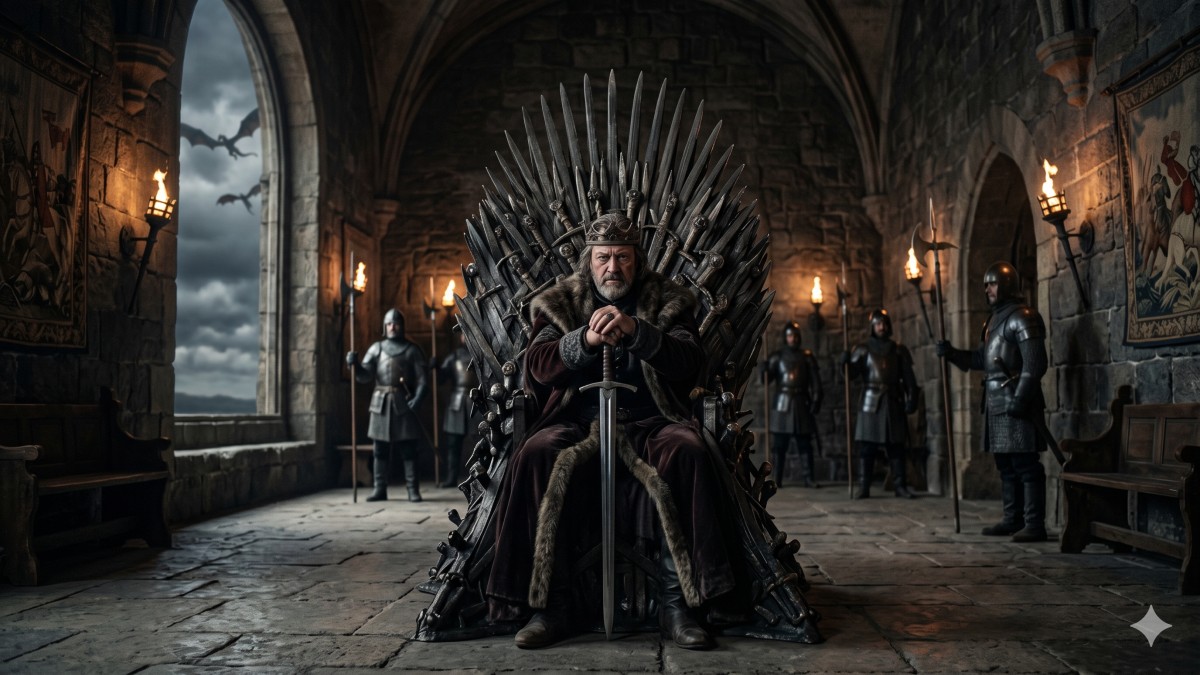
Would Game of Thrones Be the Same Global Hit in 2026?
When Game of Thrones premiered in 2011, television was entering a major transformation. Streaming services were only beginning to grow, social media discussions were becoming more influential, and fantasy television had not yet earned full mainstream respect. Over the next eight years, the series became more than just a popular show — it became a global cultural phenomenon that reshaped modern television.
But if the exact same series debuted for the first time in 2026 instead of 2011, would it still become the defining entertainment event of a generation?
The answer is probably no — or at least not in the same way.
While the show would still likely attract attention because of its powerful storytelling, massive world-building, and shocking twists, the entertainment landscape of 2026 is dramatically different from the one that existed in 2011. Many of the conditions that helped make Game of Thrones extraordinary no longer exist today.
The Perfect Timing of 2011
One of the biggest reasons for the success of Game of Thrones was timing.
Back in 2011, traditional television still dominated entertainment. Streaming services were growing but had not yet completely changed viewing habits. People still watched weekly television together, discussed episodes in real time, and experienced major story moments collectively.
At the same time, fantasy television was still considered risky. Before Game of Thrones, many networks viewed fantasy as a niche genre mainly for dedicated fans. Large-scale fantasy productions were expensive, difficult to manage, and often struggled to attract mainstream audiences.
Game of Thrones changed that perception completely.
The series proved that fantasy storytelling could be mature, political, emotional, and commercially successful. It combined dragons and magic with realistic power struggles, betrayal, and morally complex characters. Because of this balance, the show appealed not only to fantasy fans but also to audiences who normally ignored the genre.
If the show debuted in 2026, however, it would enter a world already filled with fantasy and science-fiction blockbusters inspired by its own success.
Modern Fantasy Exists Because of Game of Thrones
The television industry after Game of Thrones looks very different from the industry before it.
Many modern fantasy and sci-fi series owe part of their existence to the success of Game of Thrones. Networks and streaming platforms became more willing to invest massive budgets into genre storytelling after seeing HBO’s achievement.
Today, audiences are already familiar with cinematic fantasy worlds, political storytelling, large ensemble casts, and morally grey characters. In 2011, Game of Thrones felt revolutionary. In 2026, some viewers might simply see it as another high-budget fantasy series competing in an already crowded market.
Ironically, the show’s greatest achievement may reduce its ability to shock modern audiences if it premiered today.
The Importance of Weekly Releases
Another key reason Game of Thrones became a phenomenon was its weekly release schedule.
Every Sunday night became an event. Fans spent entire weeks discussing theories, analyzing scenes, and predicting future betrayals. Major moments like Ned Stark’s execution or the Red Wedding became unforgettable because audiences experienced them together in real time.
The suspense between episodes helped build anticipation on a massive scale.
In 2026, many streaming platforms prefer binge-release models, where entire seasons arrive at once. While binge-watching increases convenience, it often reduces long-term cultural discussion. Viewers finish episodes at different speeds, conversations become fragmented, and shocking moments lose some of their collective emotional power.
Imagine if the Red Wedding had dropped alongside nine other episodes in a single weekend. The scene would still be shocking, but it might not dominate internet conversations for weeks the way it originally did.
The weekly structure allowed Game of Thrones to control the cultural conversation repeatedly for years. That kind of sustained attention is harder to achieve in modern streaming culture.
Social Media Would Change the Experience
Social media existed in 2011, but it was far less intense than it is today.
If Game of Thrones premiered in 2026, every controversial scene would immediately trigger large-scale debates online. The show’s violence, nudity, treatment of women, and shocking character deaths would face far more scrutiny in the modern internet environment.
Some criticism would be fair and thoughtful. However, nonstop online outrage cycles could easily overshadow discussions about storytelling and character development.
Modern fandom culture is also more reactive than it was during the early seasons of Game of Thrones. Fans now organize campaigns, demand creative changes, and pressure studios through viral social media trends. Many modern showrunners actively monitor audience reactions and sometimes alter storytelling directions based on online feedback.
The original strength of Game of Thrones was its willingness to remain unpredictable and emotionally ruthless. Characters died unexpectedly, heroes failed, and the story refused to follow traditional fantasy formulas.
In today’s environment, studios might feel pressured to soften controversial storylines or avoid creative risks to prevent backlash.
That could fundamentally change the identity of the series.
Spoilers Would Spread Faster Than Ever
Spoiler culture is another major factor.
The original Game of Thrones already struggled with book readers revealing future story details online. But in 2026, spoilers spread across social media platforms within minutes. Viral clips, reaction videos, leaks, and algorithm-driven recommendations make it extremely difficult to avoid major plot reveals.
Part of what made Game of Thrones special was genuine shock.
Viewers who had never read A Song of Ice and Fire were stunned by events like Ned Stark’s death because television audiences were not used to protagonists dying so suddenly.
In 2026, those surprises might not survive long enough to create the same emotional impact. Important twists could trend worldwide before many viewers even finish an episode.
That would weaken one of the series’ most powerful storytelling weapons: unpredictability.
Financial Risks in Modern Streaming
Game of Thrones was extremely expensive, but HBO believed in long-term growth and prestige television. Modern streaming economics are much harsher.
Today, many streaming companies aggressively evaluate viewership numbers, subscription growth, and online engagement. Even popular genre shows sometimes face cancellation if budgets become too large or audience growth slows.
Several expensive fantasy and science-fiction productions in recent years have struggled to justify their costs despite having passionate fan communities.
If Game of Thrones launched in 2026 with massive budgets, controversial storylines, and divisive internet debates, executives might become nervous long before the story reached later seasons.
The show originally benefited from gradual growth. Its audience expanded year after year through word-of-mouth discussions and cultural momentum. In the modern streaming era, platforms often expect instant global success.
That creates enormous pressure on expensive productions.
A slower-building fantasy series might not receive the same patience today.
George R.R. Martin’s Existing Fan Base Still Matters
Despite all these challenges, Game of Thrones would still have advantages in 2026.
The popularity of George R. R. Martin and his books would guarantee strong initial interest. The world-building, political intrigue, and character complexity remain impressive even by modern standards.
The series would likely attract both fantasy fans and viewers searching for mature storytelling.
High production values, strong performances, and shocking narrative twists would still generate attention. In fact, modern streaming technology and global distribution could allow the series to reach international audiences faster than ever before.
However, widespread attention does not automatically create cultural dominance.
The entertainment world is now far more fragmented. In 2011, fewer shows competed for audience attention. In 2026, viewers divide their time across endless streaming platforms, social media apps, gaming communities, short-form videos, and online creators.
Capturing universal attention is much harder today.
A Show That Changed Television Forever
The greatest irony is that Game of Thrones may never be able to repeat its original impact precisely because it already changed the industry.
Its success inspired studios to invest heavily in fantasy storytelling. It normalized cinematic television budgets. It transformed audience expectations for serialized drama. It proved that genre storytelling could dominate mainstream culture.
Without Game of Thrones, modern television might look completely different.
That historical importance cannot be recreated a second time.
If the show premiered in 2026, it would still probably become successful. It would likely trend online, attract millions of viewers, and dominate entertainment headlines for periods of time.
But the lightning-in-a-bottle cultural phenomenon that existed between 2011 and 2019 would be almost impossible to reproduce.
Game of Thrones succeeded not only because it was great television, but because it arrived at exactly the right moment in entertainment history.
Disclaimer
This article is based on entertainment analysis, television industry trends, and audience behavior discussions. Opinions expressed are interpretive and speculative in nature. The article is intended for informational and entertainment purposes only.
Source
Themes inspired by audience reactions, television industry evolution, and commentary surrounding modern streaming culture.
Discussion and analysis based on the cultural impact of Game of Thrones

One thought on “Would Game of Thrones Be the Same Global Hit in 2026?”