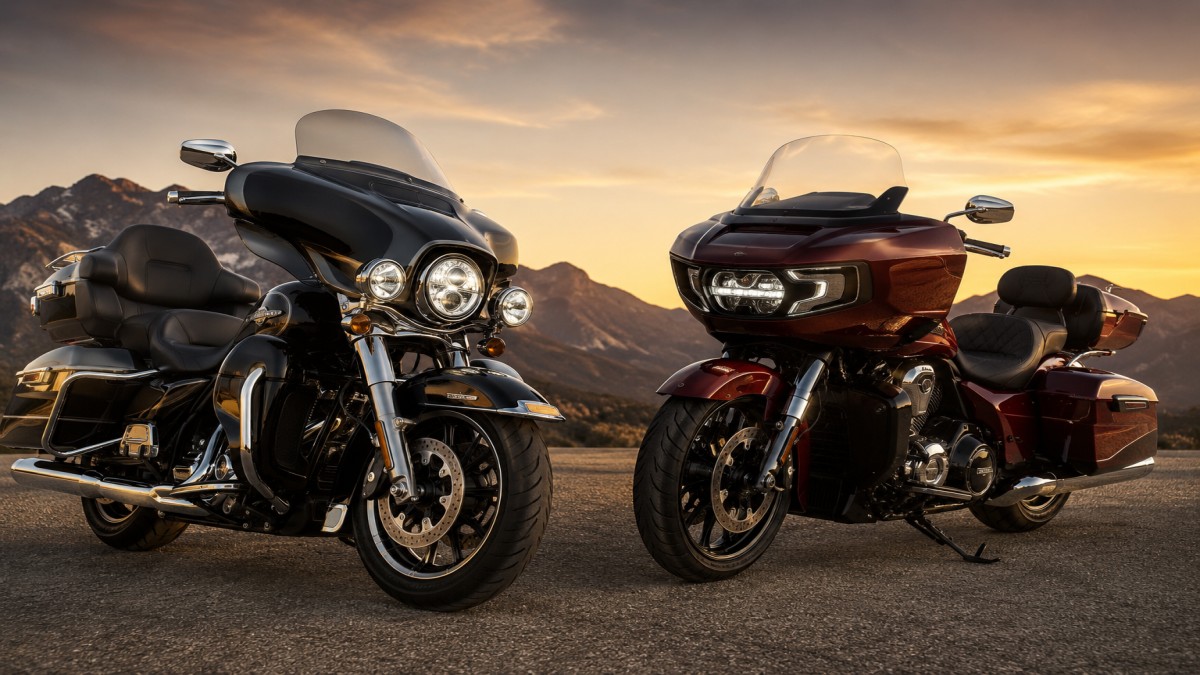
For more than a century, Harley-Davidson and Indian Motorcycle have represented the heart of American motorcycling. Both brands have built loyal followings with their signature V-Twin engines, classic styling, and long-distance touring capabilities. While they share many similarities, they also have important differences that influence buying decisions.
Harley-Davidson has remained in continuous production since its founding in 1903, while Indian Motorcycle, established in 1901, experienced a lengthy hiatus before being revived by Polaris Industries in 2011. Today, both companies compete fiercely in the premium cruiser and touring motorcycle market, offering everything from entry-level cruisers to luxury touring machines packed with modern technology.
So which brand comes out on top? The answer depends on what riders value most—heritage, performance, reliability, technology, pricing, or dealer support.
A Battle Between Two American Legends
Indian Motorcycle technically predates Harley-Davidson, having been founded in 1901, making it America’s oldest motorcycle manufacturer.
Harley-Davidson followed two years later in 1903, but unlike Indian, Harley has maintained uninterrupted motorcycle production for more than 120 years.
Indian’s story took a dramatic turn when production ceased in 1953. The iconic name disappeared from the motorcycle market for decades before Polaris Industries revived the brand in 2011.
That difference in continuity plays a significant role in how riders perceive both manufacturers today. Harley-Davidson’s uninterrupted legacy has helped it establish one of the strongest motorcycle communities in the world, while Indian continues rebuilding its reputation under Polaris ownership.
Touring Bikes Define Both Brands
Both manufacturers have become famous for producing large touring motorcycles designed for long highway journeys.
Harley’s lineup includes legendary models such as the Road Glide, Street Glide, and Ultra Limited, all known for comfortable ergonomics, large windshields, spacious luggage, and powerful Milwaukee-Eight V-Twin engines.
Indian counters with motorcycles like the Roadmaster, Challenger, and Pursuit, which combine classic styling with modern electronics and strong PowerPlus V-Twin performance.
These motorcycles target riders who regularly cover hundreds of miles and prioritize comfort, storage, and highway stability.
Affordable Cruisers Are Also Part of the Lineup
Although both companies are famous for heavyweight touring bikes, they also compete in the midsize cruiser segment.
Harley-Davidson offers the Sportster family, with pricing beginning around $15,000 depending on trim and market.
Indian’s popular Scout lineup generally ranges between $13,000 and $17,000, giving buyers multiple engine sizes and customization options.
These motorcycles appeal to newer riders or experienced enthusiasts seeking lighter, more agile machines without sacrificing classic American styling.
Harley-Davidson Continues to Dominate Sales
From a purely business perspective, Harley-Davidson remains the stronger company.
The manufacturer sold more than 100,000 motorcycles in North America during the past year and generated nearly $6 billion in annual revenue.
Indian Motorcycle, while growing steadily, reportedly sold approximately 30,000 motorcycles, placing it outside the top five motorcycle manufacturers by U.S. market share.
Harley’s significantly larger customer base contributes to:
- A wider dealership network
- Greater aftermarket parts availability
- Larger owner communities
- More riding clubs and organized events
- Stronger resale demand
For many buyers, these factors add long-term value beyond the motorcycle itself.
Warranty Coverage Is Nearly Identical
When purchasing a premium motorcycle, warranty coverage plays an important role.
Both Harley-Davidson and Indian currently provide:
- Two-year factory warranty
- Unlimited mileage coverage
- Optional extended warranty programs
However, Harley-Davidson has faced scrutiny regarding warranty language.
The U.S. Federal Trade Commission has challenged portions of Harley’s warranty practices under the Magnuson-Moss Warranty Act, which generally prevents manufacturers from requiring owners to use only dealership service or branded replacement parts to maintain warranty coverage.
The issue focuses on warranty wording rather than motorcycle quality, but it remains an important legal consideration for owners who prefer independent mechanics.
Reliability and Recall History
Motorcycle recalls often receive significant attention, but total recall numbers don’t always tell the complete story.
Indian motorcycles have accumulated approximately 295 recalls throughout their history. Many occurred before Polaris acquired the company.
One of the most notable involved the 2001 Indian Scout, where improperly secured front axle bolts could loosen and increase crash risk.
Harley-Davidson has recorded more than 2,000 recalls across its much larger production history. Given Harley’s substantially higher manufacturing volume over more than a century, the higher recall count does not necessarily indicate poorer reliability.
Industry experts generally recommend evaluating recalls by specific model and production year rather than by brand totals alone.
Harley’s Recent Safety Recalls
Harley-Davidson has experienced several notable recalls in recent years.
Among the most significant:
- Around 1,500 2023 Street Glide motorcycles were recalled because of an aerodynamic issue that could potentially affect stability at speeds exceeding 100 mph.
- Approximately 65,000 Softail motorcycles were recalled over concerns involving rear shock absorbers that could contribute to sudden tire pressure loss.
While recalls are never desirable, they also demonstrate manufacturers’ willingness to address potential safety concerns when identified.
Performance: Indian Gains Ground
The competition becomes much closer when comparing today’s motorcycles rather than company histories.
Recent independent reviews have praised Indian’s latest touring motorcycles for delivering impressive performance and technology.
The Indian Challenger Dark Horse, for example, has been recognized for offering:
- Strong acceleration
- Responsive throttle
- Modern infotainment system
- Smooth engine performance
- Excellent highway comfort
Some reviewers have even suggested that Indian’s PowerPlus engine feels more energetic than Harley’s traditional air-cooled V-Twin designs.
Harley Still Excels in Comfort
Despite Indian’s recent advances, Harley-Davidson continues to impress in several important areas.
Professional road tests have found Harley touring motorcycles to provide:
- Relaxed riding position
- Comfortable long-distance ergonomics
- Excellent wind protection
- Predictable handling
- Classic V-Twin character
Many experienced touring riders still consider Harley among the most comfortable motorcycles available for extended cross-country trips.
Head-to-Head Comparisons
Recent comparisons between Harley’s Road Glide Limited and Indian’s Pursuit Dark Horse have produced interesting results.
Test riders observed that:
Indian Advantages
- Quicker throttle response
- Cooler engine temperatures
- Advanced infotainment features
- Strong acceleration
One reviewer even measured Harley’s exhaust temperature to be nearly 200 degrees hotter than the comparable Indian during testing.
Harley Advantages
- Slightly more relaxed seating position
- Better long-distance ergonomics for some riders
- Massive aftermarket support
- Larger ownership community
Ultimately, reviewers described both motorcycles as exceptionally capable, with personal preference becoming the deciding factor.
Dealer Support Matters
One often-overlooked aspect of motorcycle ownership is dealer experience.
Harley-Davidson benefits from one of the largest dealership networks in North America, making service, warranty work, accessories, and replacement parts relatively easy to obtain.
Some riders, however, report that Indian dealerships provide a more personalized customer experience, particularly as the company continues expanding its customer base.
Actual ownership experiences can vary significantly depending on local dealerships rather than the manufacturer itself.
Community and Aftermarket Support
Harley’s greatest advantage may be its enormous community.
Owners benefit from:
- Thousands of riding groups
- Extensive aftermarket customization
- Huge selection of accessories
- Independent repair specialists
- Strong online forums
Indian’s community continues to grow, but Harley’s decades-long presence gives it an undeniable edge in owner support.
Value for Money
Pricing comparisons often favor Indian.
Many enthusiasts believe Indian motorcycles include more standard technology for similar pricing.
Features such as advanced rider aids, touchscreen infotainment, and premium finishes are often available at competitive prices compared with Harley equivalents.
For buyers focused on equipment per dollar, Indian presents a compelling alternative.
Which Brand Should You Buy?
There is no universal winner.
Choose Harley-Davidson if you value:
- Rich uninterrupted heritage
- Massive owner community
- Strong resale value
- Extensive customization options
- Larger dealer network
Choose Indian Motorcycle if you prioritize:
- Modern technology
- Strong engine performance
- Competitive pricing
- Cooler-running touring motorcycles
- Innovative engineering
Both companies build premium American motorcycles capable of delivering exceptional riding experiences.
The smartest approach is to visit local dealerships, compare available models, and take multiple test rides. Comfort, riding style, dealership experience, and personal taste will ultimately matter far more than historical sales figures.
Harley-Davidson remains the undisputed leader in terms of brand recognition, production history, sales volume, and owner community. Those strengths continue to make it one of the world’s most influential motorcycle manufacturers.
Indian Motorcycle, however, has emerged as a serious challenger since its revival under Polaris. Modern engineering, competitive pricing, powerful engines, and advanced technology have helped the company narrow the gap significantly.
Rather than one brand clearly outperforming the other, today’s rivalry benefits riders the most. Both manufacturers continue pushing each other to build better motorcycles, giving enthusiasts more choices than ever before.
Whether you prefer the unmistakable rumble of a Harley-Davidson or the refined performance of an Indian Motorcycle, either choice delivers a premium American V-Twin experience backed by passionate communities and decades of motorcycling tradition.
Disclaimer
This article is intended for informational and editorial purposes only. Sales figures, pricing, recall information, warranty details, and motorcycle specifications may vary by country, model year, and manufacturer updates. Prospective buyers should verify the latest information through official Harley-Davidson and Indian Motorcycle dealerships before making a purchasing decision. Opinions referenced in this article are based on published reviews and do not represent definitive rankings or endorsements.