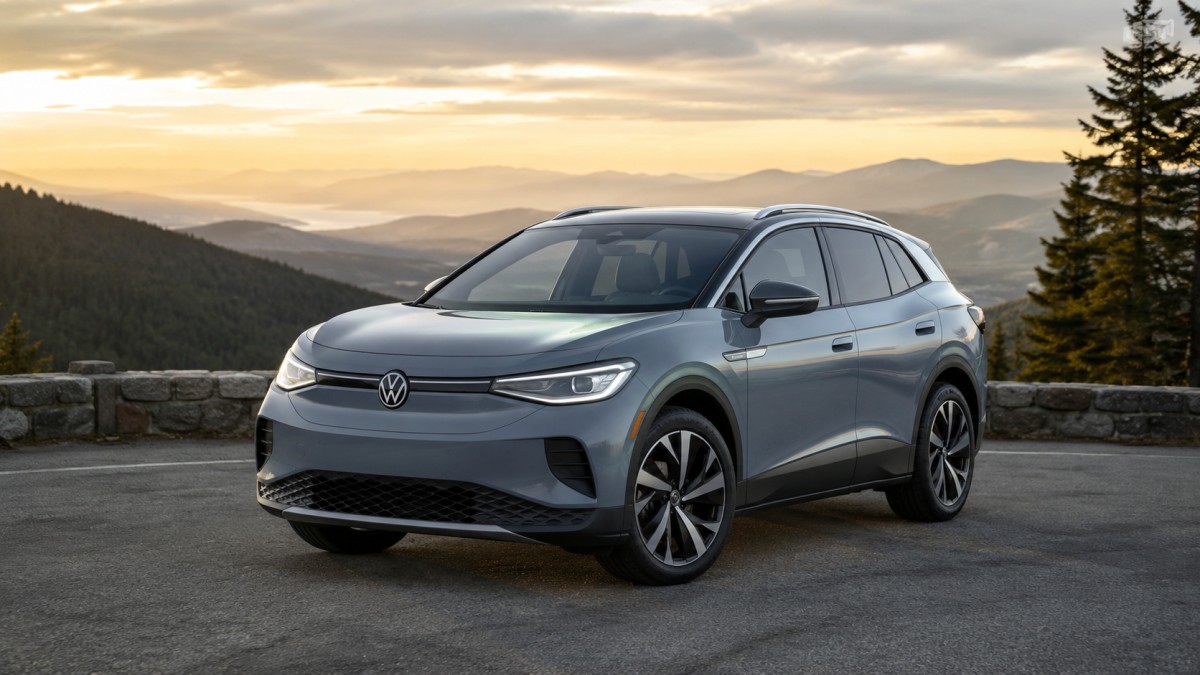
Best Used Electric SUV to Buy in 2026: Why the Volkswagen ID.4 Is the Smartest EV Bargain
The electric vehicle market has changed dramatically over the last few years. What once looked like a luxury category reserved for early adopters has now become one of the most competitive segments in the automotive industry. But while new EV prices remain expensive, the used electric vehicle market is creating opportunities that smart buyers simply cannot ignore.
In 2026, one trend dominates the EV market more than anything else: depreciation. Electric cars are losing value faster than traditional gasoline-powered vehicles, and for second-hand buyers, that is becoming a major advantage. According to recent market analysis, many EVs now lose between 58% and 63% of their value within five years, compared to roughly 45% for gasoline vehicles.
At first glance, that sounds like terrible news for EV owners. But for used-car shoppers, it may be the best buying opportunity the automotive market has seen in years.
Among all the used electric vehicles available today, one model stands above the rest when it comes to value, practicality, comfort, and affordability: the Volkswagen ID.4.
Why EV Depreciation Is Creating Huge Opportunities
Depreciation has always been part of car ownership, but electric vehicles are experiencing a much sharper decline in resale value than expected.
There are several reasons behind this trend:
- Rapid improvements in battery technology
- Aggressive EV price cuts from manufacturers
- Oversupply of electric vehicles in the market
- Consumer concerns about long-term battery health
- Fast-changing software and charging technologies
As a result, many EVs that originally sold for over $45,000 are now available for nearly half that amount just a few years later.
For budget-conscious buyers, this creates an important question:
Which used EV actually offers the best long-term value?
The answer is not always the cheapest electric car on the market.
Cheap Used EVs Are Not Always Good Deals
Many buyers assume the lowest-priced electric vehicle automatically represents the best bargain. Unfortunately, that is not always true.
Some used EVs become extremely cheap because they come with serious concerns, including:
- Battery degradation
- Poor software reliability
- Expensive repair costs
- Weak manufacturer support
- Discontinued platforms
- Limited charging compatibility
This is why buying a used electric vehicle requires more research than purchasing a traditional gasoline car.
A low purchase price can quickly become expensive if the vehicle suffers from poor battery health or major software problems later.
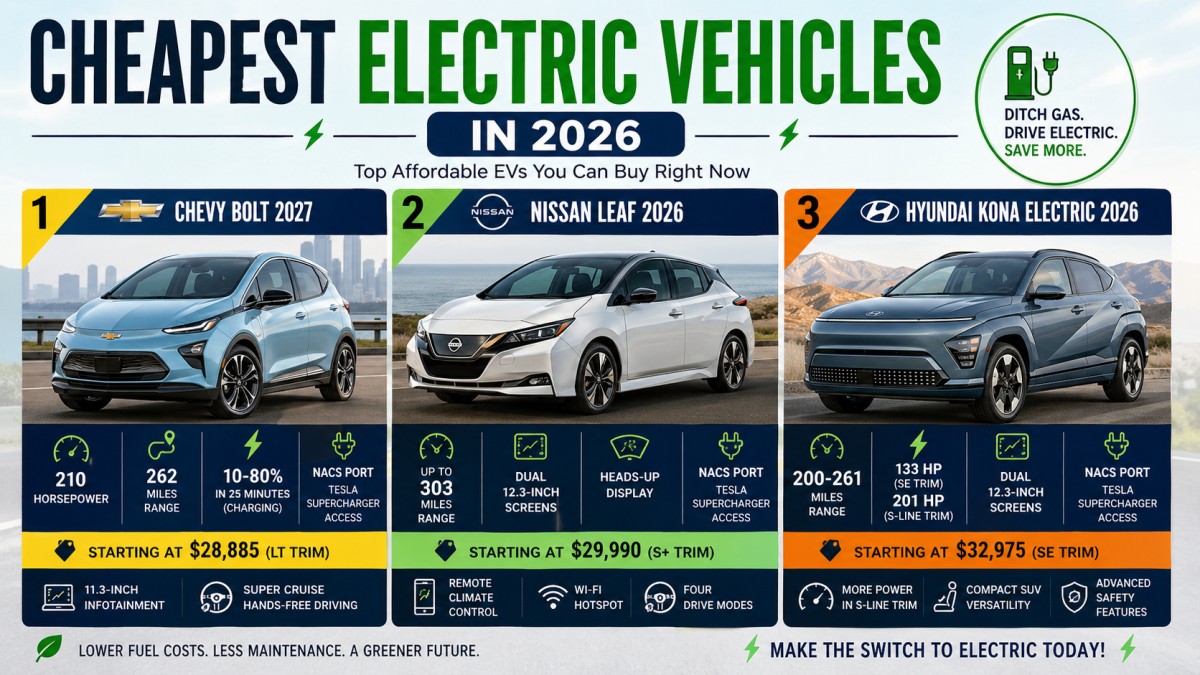
Chevrolet Bolt EV: Affordable but Limited
The Chevrolet Bolt EV is often one of the cheapest used electric cars available today. That alone makes it attractive to buyers entering the EV market for the first time.
The Bolt offers:
- Affordable pricing
- Simple EV ownership
- Decent efficiency
- Practical city driving performance
However, there are also concerns buyers should carefully consider.
The platform is aging, and General Motors’ EV strategy has been inconsistent over the years. The Bolt experienced discontinuation before eventually returning, creating uncertainty around long-term support and resale confidence.
For buyers with an extremely tight budget, the Bolt can still make sense. But for shoppers looking for a modern, future-proof electric SUV with stronger long-term value, better alternatives exist.
Tesla Model 3: Excellent EV but Not the Best Value
No conversation about electric vehicles is complete without mentioning Tesla.
The Tesla Model 3 remains one of the most desirable EVs on the road thanks to:
- Excellent driving range
- Strong software experience
- Access to Tesla’s charging network
- Modern technology
- Large used inventory
The problem is simple: demand remains high.
Even in the used market, Tesla vehicles hold their value better than many competitors. While that is good news for Tesla owners, it means buyers often pay significantly more for a used Model 3 compared to other EVs offering similar practicality.
The Model 3 is still an outstanding electric car, but in terms of pure value for money, another EV currently offers a better balance of price, comfort, features, and practicality.
That EV is the Volkswagen ID.4.
Why the Volkswagen ID.4 Is the Best Used EV Deal in 2026
The Volkswagen ID.4 may not generate the same excitement as Tesla, but it quietly delivers one of the smartest used-car purchases available today.
Originally launched for the 2021 model year, the ID.4 became Volkswagen’s first serious mass-market electric SUV in the United States.
Today, used prices have fallen dramatically.
Many used ID.4 models are now available between approximately $11,700 and $24,300, with average pricing around $19,600.
Considering that a new 2026 Volkswagen ID.4 Pro starts around $45,000, the depreciation is massive.
For second owners, that creates a unique opportunity:
You can buy a modern electric SUV with advanced technology, strong range, and premium comfort for the price of an economy gasoline crossover.
Why the Volkswagen ID.4 Lost So Much Value
Interestingly, the ID.4’s steep depreciation is not mainly because the vehicle itself is bad.
Several external market conditions hurt its reputation:
1. General Distrust of Non-Tesla EVs
Tesla dominates public perception in the EV space, causing many buyers to overlook alternatives regardless of quality.
2. Massive EV Inventory Growth
The EV market experienced a huge inventory surge in 2025, placing downward pressure on resale values.
3. Early Software Problems
The first ID.4 models launched with infotainment glitches and charging issues that damaged public confidence.
4. Negative Media Coverage
Online criticism amplified software complaints, making the vehicle seem less reliable than real-world ownership often suggests.
5. Large Numbers of Off-Lease Vehicles
A wave of lease returns flooded the used market at the same time, increasing supply and pushing prices down further.
The result was severe depreciation — but also incredible value for used buyers.
What You Get for Around $20,000
One of the biggest reasons the Volkswagen ID.4 stands out is how much vehicle buyers receive for the money.
At roughly $20,000, buyers can get:
- A spacious electric SUV
- Modern technology
- Long driving range
- Quiet ride quality
- Premium-feeling interior
- Strong battery warranty
That combination is difficult to find anywhere else in the current EV market.
Real-World Driving Range Remains Strong
Range anxiety remains one of the biggest concerns for EV buyers.
Fortunately, the ID.4 still performs well in this area.
Depending on the trim and battery configuration, the original EPA-rated range was between 245 and 275 miles.
Even after several years of ownership, battery degradation is typically only around 5% to 10%, leaving many used models with realistic range figures between 220 and 260 miles.
For daily commuting, road trips, and family use, that is more than enough for most drivers.
RWD and AWD Options Give Buyers Flexibility
The Volkswagen ID.4 was available with multiple powertrain configurations.
Rear-Wheel Drive (RWD)
The single-motor RWD version delivers:
- Smooth acceleration
- Better efficiency
- Relaxed driving dynamics
- Quiet operation
All-Wheel Drive (AWD)
Higher trims offered dual-motor AWD systems that improved:
- Traction
- Performance
- Weather capability
- Acceleration
This flexibility allows buyers to choose the version that best fits their driving needs and budget.
Comfortable Interior Designed for Everyday Use
Unlike some performance-focused EVs, the ID.4 emphasizes comfort and practicality.
The cabin offers:
- Spacious seating
- High-quality materials
- Excellent ride comfort
- Simple driving experience
- Family-friendly usability
Instead of trying to feel sporty or aggressive, the ID.4 focuses on being a relaxing daily driver — and that is exactly what many EV buyers actually want.
For families or commuters transitioning from gasoline SUVs, the ID.4 feels familiar, comfortable, and easy to live with.
Battery Warranty Adds Major Peace of Mind
One of the strongest advantages of buying a used ID.4 is the remaining battery warranty.
Every U.S.-market Volkswagen ID.4 includes:
- 8-year battery coverage
- 100,000-mile warranty
- Guaranteed minimum 70% battery capacity
That protection significantly reduces the biggest fear many buyers have about used EV ownership.
In reality, most EV batteries continue performing well beyond 100,000 miles, and many ID.4 batteries remain comfortably above the warranty threshold even after years of use.
Early Software Problems Were Mostly Resolved
The ID.4’s biggest weakness during launch involved software.
Owners reported issues such as:
- Frozen infotainment systems
- Charging interruptions
- Laggy controls
- Electronic glitches
However, many of these problems were software-related rather than mechanical failures. Volkswagen has since released numerous updates that improved overall stability and usability.
As a result, the ownership experience in 2026 is considerably better than early reviews suggested.
This gap between reputation and reality is one reason the used ID.4 market remains undervalued.
Reliability Concerns Explained Properly
Consumer Reports gave early ID.4 models relatively low reliability scores, particularly for 2021–2023 vehicles.
But context matters.
Most reported problems involved:
- Electronics bugs
- Software annoyances
- Charging system interruptions
- Minor usability frustrations
Serious drivetrain failures were much less common than many headlines implied.
That distinction is important because software bugs are often easier and cheaper to resolve than major mechanical failures in traditional vehicles.
Best Volkswagen ID.4 Model Years to Buy
Not all ID.4 model years are equally desirable.
Best Choices
2022 Volkswagen ID.4
2023 Volkswagen ID.4
These models offer:
- Improved software
- Better reliability
- Strong value
- Lower risk
- Better price-to-age balance
Less Recommended
2021 Volkswagen ID.4
The earliest production year carries greater risk because many launch-related issues were still unresolved.
For most buyers, 2022 and 2023 models represent the sweet spot.
Important Battery Health Checks Before Buying
Before purchasing any used EV, battery condition should always be inspected carefully.
Buyers should:
- Request a battery health report
- Ask for charging history
- Verify software updates
- Confirm recall completion
- Get the battery inspected by a Volkswagen dealership if possible
Healthy Battery Guidelines
- Above 80% capacity = acceptable
- Above 85% capacity = very good
Charging habits also matter significantly.
Vehicles primarily charged at home typically experience slower battery degradation compared to EVs that relied heavily on frequent DC fast charging.
Why the Volkswagen ID.4 Makes More Sense Than Ever
The used EV market in 2026 is filled with options, but very few vehicles balance affordability, practicality, comfort, and long-term usability as effectively as the Volkswagen ID.4.
It may not have Tesla’s brand image or performance reputation, but it succeeds in areas that matter most to everyday buyers:
- Comfortable driving
- Strong range
- Spacious interior
- Modern technology
- Affordable pricing
- Remaining battery warranty
- Practical SUV design
Most importantly, the first owner already absorbed the brutal depreciation.
That means the second owner can enjoy a modern electric SUV at a dramatically reduced price.
The Volkswagen ID.4 represents one of the smartest used electric vehicle purchases in 2026.
It combines:
- Massive depreciation savings
- Real-world practicality
- Modern EV technology
- Strong remaining warranty coverage
- Comfortable SUV design
- Better ownership experience than its reputation suggests
While the Chevrolet Bolt EV remains the cheapest option and Tesla models continue to dominate desirability, the Volkswagen ID.4 currently delivers the best balance of affordability and capability in the used EV market.
For buyers looking to enter the electric vehicle world without overspending, the ID.4 may quietly be the best EV bargain available today.
Disclaimer
This article is for informational and educational purposes only. Vehicle prices, depreciation figures, reliability ratings, warranty coverage, and market conditions may vary depending on location, mileage, trim level, and dealership availability. Buyers should independently verify vehicle history, battery health, recall status, and inspection reports before purchasing any used electric vehicle. Information used in this article is based on the provided market insights and publicly discussed EV trends.
3 thoughts on “Best Used Electric SUV to Buy in 2026”