BMW Opens Early Pre-Orders for Next-Generation i3 EV as Demand Exceeds Expectations
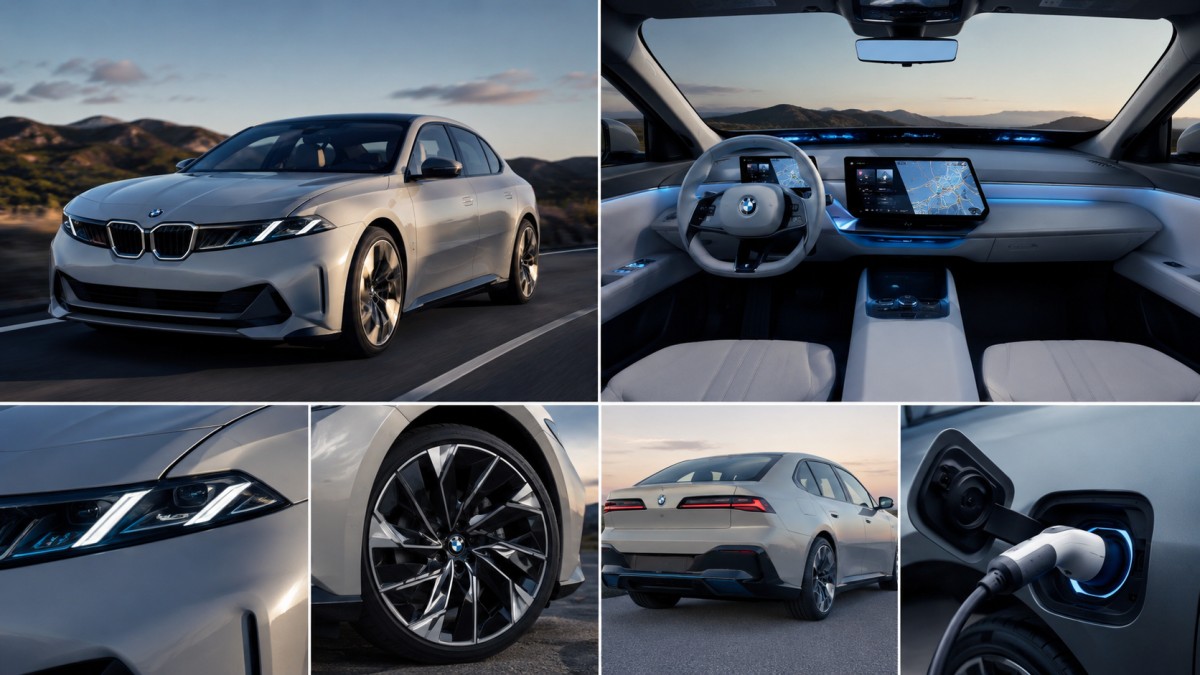
BMW has taken an unexpected step by opening pre-orders for its highly anticipated next-generation i3 electric sedan months ahead of schedule. The move comes after an overwhelming response from customers following the vehicle’s public debut in Munich, highlighting growing enthusiasm for the German automaker’s new generation of electric vehicles built on the revolutionary Neue Klasse platform.
The decision signals BMW’s confidence in its upcoming EV lineup and suggests that the i3 could become one of the most important electric vehicles in the company’s modern history. As the electric successor to the legendary 3 Series, the new i3 carries enormous expectations from both loyal BMW customers and EV enthusiasts worldwide.
BMW Accelerates i3 Reservation Timeline
According to industry reports, BMW originally planned to begin accepting orders for the new i3 during the fall of 2026. However, strong customer interest has prompted the company to move the timeline forward and begin taking reservations much earlier than anticipated.
Currently, BMW is accepting reservations for the limited-run First Edition version of the i3. This exclusive launch edition is expected to attract early adopters who want to secure one of the first examples of BMW’s next-generation electric sedan.
The accelerated reservation process demonstrates the level of excitement surrounding the vehicle. For BMW, opening pre-orders ahead of schedule allows the company to better gauge market demand and prepare production capacity accordingly.
Industry observers note that such decisions are typically reserved for vehicles that receive exceptionally strong customer reactions. In BMW’s case, the company appears confident that the i3 will become a major contributor to its electric vehicle sales strategy over the coming years.
Stronger Demand Than the New BMW iX3
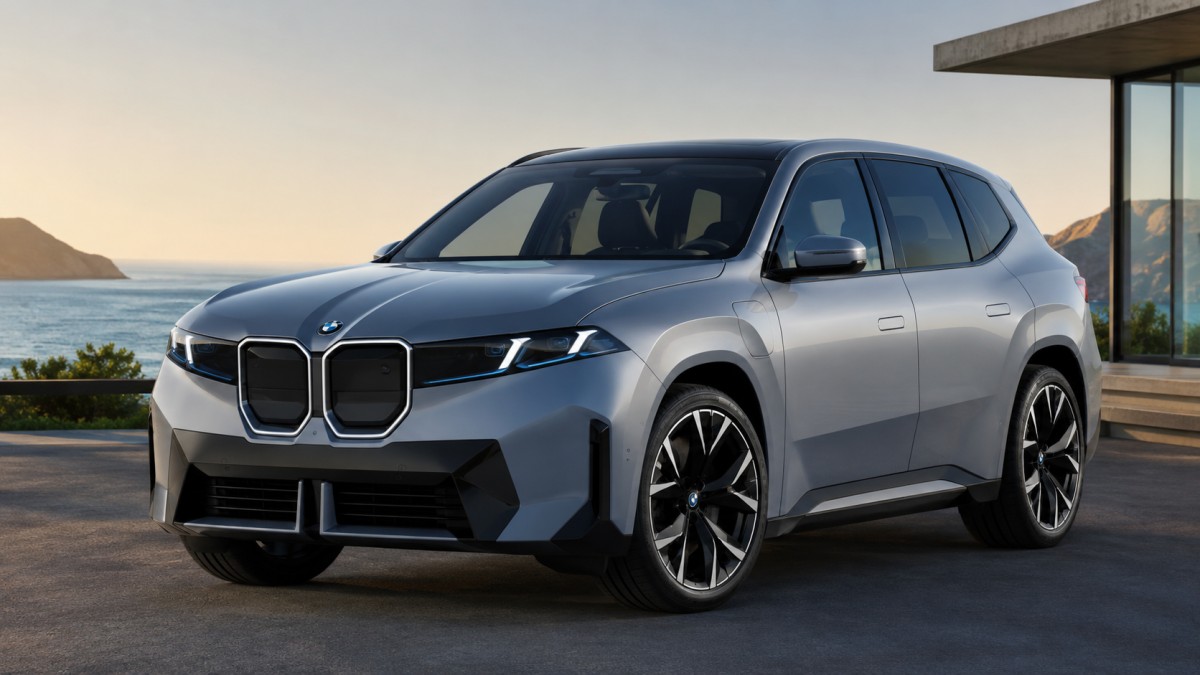
One of the most remarkable aspects of the i3’s launch is the reported level of customer interest compared to BMW’s recently introduced iX3 electric SUV.
Internal assessments reportedly indicate that the i3 has generated even greater excitement among prospective buyers than the new iX3, despite the SUV’s impressive early performance in the market.
The iX3, which became the first production model based on BMW’s Neue Klasse architecture, reportedly accumulated approximately 50,000 reservations within months of its unveiling. Additionally, the electric SUV achieved more than 10,000 sales across Europe within just two months of its market launch.
These figures already represent a strong start for BMW’s next-generation EV program. Therefore, reports suggesting that interest in the i3 could surpass the iX3 highlight the significant potential of the electric sedan.
The difference may be attributed to the global popularity of the BMW 3 Series nameplate. For decades, the 3 Series has served as one of BMW’s most successful and recognizable models, attracting drivers seeking a balance of performance, luxury, and practicality. The i3 now aims to bring those qualities into the electric era.
Why the New i3 Matters for BMW
The upcoming i3 is more than just another electric vehicle in BMW’s portfolio. It represents a pivotal moment in the company’s transition toward electrification.
The traditional 3 Series has long been considered the backbone of BMW’s global lineup. It has played a crucial role in establishing the brand’s reputation for sporty driving dynamics and premium engineering. As governments around the world implement stricter emissions regulations and consumers increasingly embrace electric mobility, BMW faces the challenge of translating the success of the 3 Series into the EV segment.
The next-generation i3 is expected to fulfill that role.
Unlike previous electric BMW models that adapted existing platforms, the new i3 has been developed from the ground up on the Neue Klasse architecture. This dedicated EV platform enables engineers to optimize efficiency, battery packaging, driving dynamics, and charging performance without the compromises associated with mixed-use vehicle architectures.
As a result, the i3 is positioned to become one of BMW’s most technologically advanced vehicles ever produced.
BMW i3 50 xDrive: Performance and Power
At the center of attention is the newly unveiled BMW i3 50 xDrive, a high-performance variant that showcases the capabilities of BMW’s latest electric technology.
The i3 50 xDrive features a dual-motor all-wheel-drive system designed to deliver both impressive acceleration and enhanced traction in various driving conditions.
According to BMW’s published figures, the electric powertrain produces a combined output of 469 horsepower. This level of performance places the vehicle firmly within the premium sports sedan category while maintaining the efficiency advantages associated with electric propulsion.
BMW has traditionally emphasized driving enjoyment across its lineup, and the i3 50 xDrive appears designed to continue that philosophy. The dual-motor configuration allows for precise torque distribution between the front and rear axles, improving stability, cornering performance, and overall driver confidence.
While official acceleration figures have not yet been fully detailed, industry analysts expect the vehicle to deliver performance comparable to many modern sports sedans while producing zero tailpipe emissions.
A Massive Driving Range Claim
Perhaps the most attention-grabbing specification is the i3’s claimed driving range.
BMW states that the i3 can achieve a maximum certified range of up to 559 miles (approximately 900 kilometers) under applicable testing standards. If achieved in production form, this would make the vehicle one of the longest-range electric sedans ever announced.
Range anxiety remains one of the primary concerns among potential EV buyers. Although charging infrastructure continues to expand globally, many consumers still prioritize maximum driving distance when selecting an electric vehicle.
A range approaching 900 kilometers could significantly reduce those concerns and make the i3 particularly attractive to long-distance drivers.
Such a figure would place the BMW i3 among the most competitive electric vehicles in the premium segment, challenging established rivals while reinforcing BMW’s technological ambitions.
It is important to note that real-world driving conditions, weather, speed, terrain, and driving style can affect actual range results. Nevertheless, the announced figure demonstrates BMW’s confidence in the efficiency of its latest EV platform.
Neue Klasse Platform Brings Next-Generation Technology
The foundation of the new i3 is BMW’s Neue Klasse architecture, a platform specifically developed for the company’s future electric vehicles.
Neue Klasse represents a major technological shift for BMW. The platform introduces improvements across nearly every aspect of vehicle design, including battery technology, energy efficiency, software integration, and charging capabilities.
One of the most important innovations is the use of next-generation battery cells designed to increase energy density while reducing costs. Higher energy density enables vehicles to travel further on a single charge without requiring significantly larger battery packs.
BMW has also focused heavily on improving efficiency throughout the vehicle, from aerodynamic enhancements to advanced power electronics.
The result is a platform engineered to maximize range, performance, and overall user experience.
Advanced 800-Volt Electrical Architecture
A key feature of the upcoming i3 is its advanced 800-volt electrical system.
Many current electric vehicles operate on 400-volt architectures. By doubling system voltage, manufacturers can significantly improve charging performance and energy efficiency.
The benefits of an 800-volt system include:
- Faster charging speeds
- Reduced charging times
- Improved thermal management
- Greater energy efficiency
- Enhanced high-performance capabilities
This technology has become increasingly important in the premium EV segment, where customers expect rapid charging during long-distance travel.
For BMW, adopting an 800-volt architecture positions the i3 among the industry’s most advanced electric vehicles and aligns it with leading competitors that have already embraced high-voltage systems.
Ultra-Fast Charging Capability
Charging performance is expected to be another major selling point for the i3.
BMW has confirmed that the vehicle will support ultra-fast charging technology, allowing drivers to replenish battery capacity more quickly than many existing EVs.
Although final charging specifications have yet to be fully disclosed, the company’s experience with the iX3 suggests that the i3 could deliver impressive charging performance.
The iX3 supports charging capabilities of up to 400 kW, making it one of the fastest-charging electric SUVs available. If similar technology is integrated into the i3, owners could benefit from significantly reduced charging stops during long journeys.
As charging networks continue to expand worldwide, fast-charging capabilities are becoming increasingly important for consumers considering a switch from gasoline-powered vehicles.
Global Market Expectations Remain High
BMW expects substantial international demand for the i3 when the model reaches global markets.
The success of the iX3 has already demonstrated strong consumer interest in the company’s Neue Klasse products. With its longer range, advanced technology, and connection to the iconic 3 Series lineage, the i3 could attract an even broader audience.
Industry analysts view the vehicle as a critical component of BMW’s long-term electrification strategy. The company faces intense competition from established EV manufacturers and traditional automakers investing heavily in electric mobility.
However, the combination of BMW’s brand recognition, engineering reputation, and cutting-edge EV technology could position the i3 as one of the standout electric vehicle launches of the decade.
BMW’s decision to open i3 pre-orders ahead of schedule reflects the extraordinary level of customer interest surrounding the next-generation electric sedan. Built on the groundbreaking Neue Klasse platform, the i3 combines impressive performance, cutting-edge technology, ultra-fast charging, and a claimed range of up to 559 miles.
As the electric successor to the legendary 3 Series, the i3 carries significant expectations. Early demand suggests BMW may have another major success on its hands, one that could play a central role in shaping the company’s electric future.
With reservations already underway and anticipation continuing to grow, the BMW i3 is emerging as one of the most closely watched electric vehicle launches in the global automotive industry.
Image AI Genertate
Disclaimer
This article is based on publicly available reports, company announcements, and industry sources available at the time of writing. Specifications, pricing, availability, and launch timelines may vary by market and could change before the official production model is released.