Mitsubishi Accelerates EV Strategy with Foxtron Partnership and New Cavira Electric SUV
The global automotive industry is rapidly transitioning toward electrification, and Mitsubishi Motors is taking significant steps to strengthen its position in the evolving electric vehicle market. While competitors such as Toyota and Honda have already introduced modern battery-electric vehicles, Mitsubishi has chosen a different path—leveraging strategic partnerships to accelerate development while minimizing costs and risks.
One of the most notable developments in Mitsubishi’s electrification journey is its collaboration with Foxtron, the Taiwanese automotive company backed by Foxconn, the electronics manufacturing giant best known for producing Apple’s iPhone. The partnership highlights Mitsubishi’s commitment to expanding its electric vehicle lineup without relying solely on internal development resources.
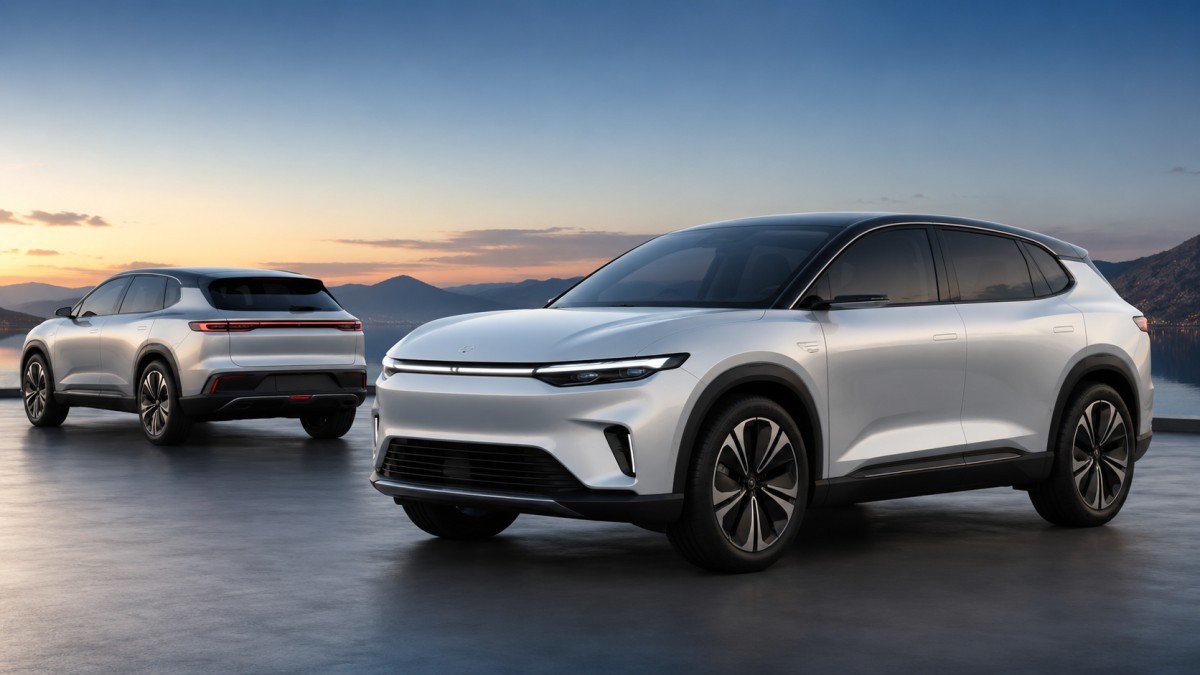
The latest evidence of this strategy is the unveiling of the Foxtron Cavira, an all-electric SUV that could provide valuable insight into the future direction of Mitsubishi’s global EV ambitions.
Foxtron Cavira Expands the Brand’s Electric Portfolio
Foxtron recently introduced the Cavira, its second fully electric SUV, following the launch of the smaller Foxtron Bria. The new model enters one of the most competitive segments in the automotive industry, targeting buyers who are increasingly drawn to practical, family-oriented electric crossovers.
The Cavira competes in the same category as the Tesla Model Y, which continues to rank among the world’s best-selling electric vehicles. As consumer demand for midsize electric SUVs grows worldwide, Foxtron aims to establish itself as a serious contender in this rapidly expanding market.
From a design perspective, the Cavira adopts a modern and aerodynamic appearance. The vehicle features smooth, rounded body surfaces and a sleek coupe-inspired roofline that contributes to improved airflow and enhanced efficiency. This design philosophy contrasts sharply with more angular electric SUVs such as the Kia EV6 and Subaru Solterra.
By prioritizing aerodynamics, Foxtron seeks to maximize driving range and overall efficiency—two factors that remain critical for EV buyers.
Cavira Emerge: Efficiency-Focused Rear-Wheel Drive Model
The entry-level Cavira Emerge trim is designed for drivers seeking a balance between performance and long-distance usability.
Power comes from an 82.7-kWh lithium-ion battery pack paired with a rear-wheel-drive configuration. The system produces 249 horsepower, delivering sufficient performance for everyday driving while emphasizing energy efficiency.
According to WLTC testing standards, the Emerge variant offers an estimated driving range of 578 kilometers (359 miles) on a single charge. This figure places the vehicle among the more competitive offerings in its segment and demonstrates Foxtron’s focus on practical real-world usability.
For many consumers, driving range remains one of the most important factors when considering an electric vehicle. The Cavira Emerge’s impressive range could help reduce range anxiety while making EV ownership more accessible for long-distance commuters and families.
Cavira Pioneer: High-Performance Electric SUV
For buyers seeking greater performance, Foxtron offers the Cavira Pioneer trim.
The Pioneer uses the same 82.7-kWh battery pack found in the Emerge but adds a dual-motor all-wheel-drive system. The upgraded powertrain generates an impressive 468 horsepower, transforming the Cavira into a performance-oriented electric SUV.
Acceleration figures are particularly noteworthy. Foxtron claims the Pioneer can sprint from 0 to 100 km/h in just 3.8 seconds, placing it among the faster vehicles in its class.
Despite the additional power, the Pioneer still achieves a WLTC-estimated range of 538 kilometers (334 miles), demonstrating the effectiveness of modern battery and drivetrain technology.
This combination of performance and practicality reflects the growing trend among EV manufacturers to offer customers both efficiency-focused and performance-oriented variants within the same model lineup.
Why the Cavira Matters to Mitsubishi
Although the Foxtron Cavira is not expected to be sold in the United States, its significance extends beyond Foxtron’s own product portfolio.
The vehicle serves as a tangible example of the technology and engineering capabilities available through Mitsubishi’s partnership with Foxtron. As Mitsubishi seeks to expand its electric vehicle offerings across multiple regions, access to Foxtron’s EV expertise could play a critical role in accelerating future product launches.
Historically, Mitsubishi’s electrification efforts have centered on plug-in hybrid technology, particularly the Mitsubishi Outlander PHEV. The Outlander PHEV became one of the world’s most successful plug-in hybrid vehicles and helped establish Mitsubishi’s reputation in the electrified vehicle segment.
However, as consumer demand increasingly shifts toward fully electric vehicles, Mitsubishi must broaden its strategy to remain competitive.
Mitsubishi’s Upcoming North American Electric Vehicle
One of the most important milestones in Mitsubishi’s electrification roadmap is the planned launch of an all-electric crossover for North America.
Unlike the Foxtron-developed vehicles intended for select international markets, Mitsubishi’s upcoming North American EV will be based on the next-generation Nissan Leaf platform. The project highlights the close collaboration between Mitsubishi and Nissan within the Renault-Nissan-Mitsubishi Alliance.
The upcoming crossover is expected to target value-conscious consumers seeking an affordable and practical electric vehicle. This positioning aligns with Mitsubishi’s long-standing reputation for delivering accessible transportation solutions at competitive price points.
The new EV is scheduled to arrive in the United States during the summer of 2026, marking a major step forward for the brand’s electric future in North America.
Momentum 2030: Mitsubishi’s Long-Term Vision
The new electric crossover forms a key component of Mitsubishi’s broader Momentum 2030 business strategy.
Momentum 2030 is designed to modernize multiple aspects of Mitsubishi’s operations while preparing the company for the next generation of automotive technology. Beyond introducing new electric vehicles, the initiative includes efforts to enhance retail sales experiences and expand the dealer network.
These investments demonstrate Mitsubishi’s recognition that successful electrification requires more than simply launching new products. Infrastructure, customer support, and dealership readiness all play vital roles in encouraging EV adoption.
By combining vehicle development with retail modernization, Mitsubishi aims to create a more comprehensive and competitive business model for the coming decade.
A Global Partnership Strategy for EV Growth
Mitsubishi’s approach to electrification differs from that of many competitors. Rather than relying entirely on in-house development, the company is actively leveraging strategic partnerships across different regions.
In North America, Mitsubishi is collaborating with Nissan to develop an affordable electric crossover. Meanwhile, Foxtron is working on electric vehicle projects intended for markets including Australia and New Zealand.
This regional partnership strategy enables Mitsubishi to access specialized expertise while reducing development costs and shortening time-to-market.
The approach also provides greater flexibility in responding to regional consumer preferences and regulatory requirements. As electric vehicle adoption continues to accelerate worldwide, such partnerships could become an increasingly important competitive advantage.
The Road Ahead
The unveiling of the Foxtron Cavira highlights how rapidly Mitsubishi’s electric vehicle strategy is evolving. While the Cavira itself may not wear a Mitsubishi badge in every market, it represents the technological capabilities and collaborative relationships that will help shape Mitsubishi’s future EV lineup.
With the upcoming North American electric crossover, continued cooperation with Nissan, and expanding collaboration with Foxtron, Mitsubishi appears committed to building a stronger presence in the global electric vehicle market.
As the automotive industry enters a new era defined by electrification, connectivity, and sustainability, Mitsubishi’s partnership-driven approach could prove to be an effective way of accelerating innovation while maintaining affordability. The coming years will reveal whether this strategy can help the brand successfully compete against established EV leaders and emerging challengers alike.
Disclaimer
This article is based on publicly available information, manufacturer announcements, and industry reports available at the time of writing. Vehicle specifications, performance figures, launch timelines, availability, and market plans may change before official production or release. Readers should refer to official statements from Mitsubishi Motors, Foxtron, and Nissan for the most up-to-date information. This content is intended for informational and news purposes only and does not constitute financial, investment, or purchasing advice.