Samsung Galaxy S27 Leak Suggests a Bold Shift in Design Philosophy
For the past few years, flagship smartphones have followed a predictable design formula. While consistency brings familiarity, it has also led to a sense of visual fatigue among users. Now, early leaks surrounding the upcoming Samsung Galaxy S27 suggest that Samsung might finally be ready to shake things up.
According to recent reports, the Galaxy S27 series could introduce a completely new rear design, marking one of the most significant visual overhauls in Samsung’s flagship lineup in years.
Why Samsung’s Current Design Feels Stale
Samsung’s Galaxy S series has maintained a relatively consistent aesthetic across multiple generations. From the Samsung Galaxy S23 to the Samsung Galaxy S26, the design language—especially the camera layout—has seen only minor refinements.
What stayed the same:
- Vertical camera alignment
- Minimalist rear panel with individual lens cutouts
- Subtle material and color changes
While this approach has helped Samsung build a recognizable identity, it has also limited innovation in terms of visual appeal. Many users now feel that new Galaxy devices look too similar to their predecessors.
Motorola Razr Ultra 2026 Review: Premium Price Without Premium Upgrades?
Is the Motorola Razr Ultra 2026 really worth its premium price? Dive into the full review covering design, performance, camera, and whether it truly delivers flagship value or falls short.
Read Full Review →Camera Layout Could See a Radical Transformation
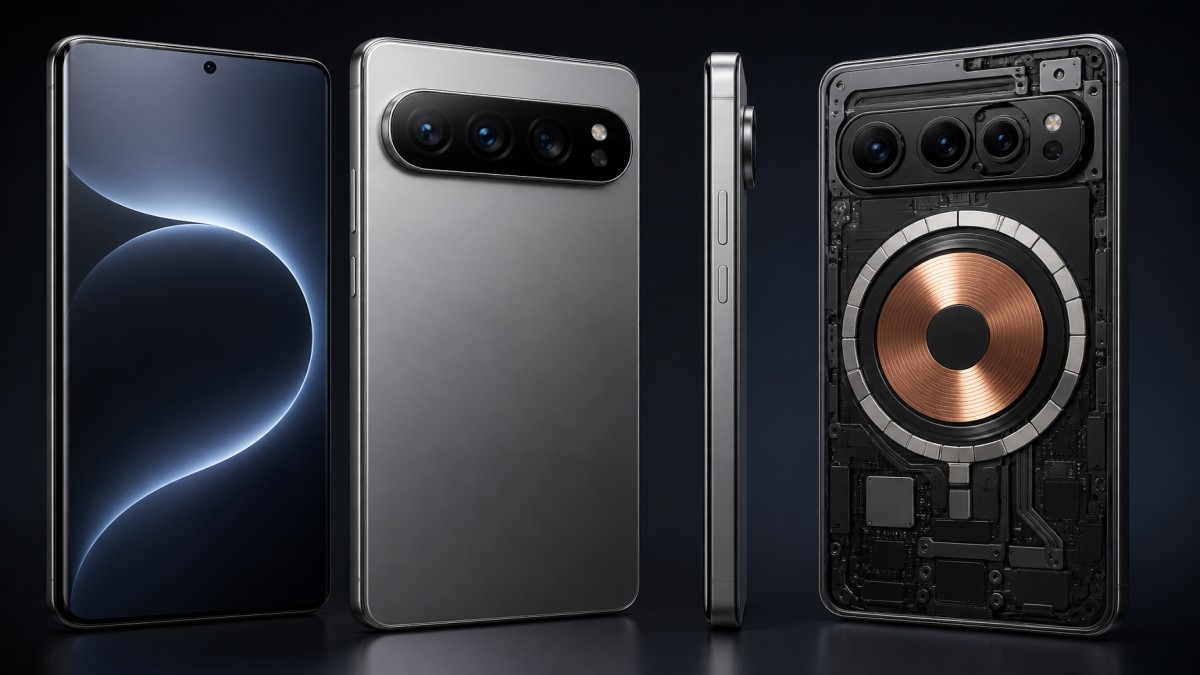
The biggest highlight of the Galaxy S27 leaks revolves around its camera redesign. Reports suggest that Samsung may abandon its signature vertical camera layout in favor of something entirely new.
Possible design directions:
- A horizontal camera bar, similar to Google Pixel devices
- A centralized module resembling some iPhone prototypes
- Or an entirely unique arrangement that hasn’t been seen before
This shift would not just be cosmetic—it could fundamentally change how the phone is engineered internally.
The Real Reason: Qi2 Wireless Charging Integration
The rumored redesign is not just about aesthetics. It appears to be driven by a significant technological upgrade: Qi2 wireless charging.
What is Qi2 charging?
Qi2 is the next-generation wireless charging standard that introduces magnetic alignment for improved efficiency and faster charging speeds. It is similar in concept to Apple’s MagSafe system.
Samsung is expected to adopt this technology to stay competitive with rivals, including Google and Apple.
How Qi2 Impacts Phone Design
Integrating Qi2 is not as simple as adding a new feature—it requires major internal restructuring.
Key components needed:
- Copper charging coils
- Magnetic ring alignment system
These components must be placed in the center of the phone’s back panel for optimal performance.
The problem:
Samsung’s current camera placement interferes with this central space. The vertical camera alignment occupies the exact area needed for Qi2 components, making the existing design incompatible.
The solution:
A redesigned camera layout that frees up central space—hence the rumored shift in camera positioning.
Competition Is Driving Innovation
Samsung isn’t making this move in isolation. The competition has already started adopting magnet-based charging systems.
For example, the Google Pixel 10 reportedly introduced native Qi2 charging support, setting a new benchmark for Android devices.
If Samsung wants to maintain its leadership in the premium smartphone market, adopting Qi2 is almost inevitable. However, doing so requires breaking away from its long-standing design conventions.
Engineering Challenges Behind the Scenes
While the idea of a redesign sounds exciting, it comes with significant technical and financial challenges.
Key hurdles include:
- Re-engineering internal components
- Balancing camera performance with new layout constraints
- Maintaining thermal efficiency
- Ensuring durability and structural integrity
Additionally, integrating magnets and coils without increasing device thickness is a complex engineering task.
Cost Concerns Could Affect Final Decision
According to reports sourced from Samsung’s supply chain and cited by SamMobile, cost is a major factor influencing the final design decision.
Potential risks:
- The redesign could increase production costs
- It might affect profit margins
- Samsung may choose to delay or scale back changes
In some cases, companies test multiple prototypes but only finalize designs that are financially viable for mass production.
Could the Redesign Be Delayed or Cancelled?
At this stage, everything remains uncertain.
Leaks indicate that Samsung is actively exploring design changes, but there is no confirmation that the final Galaxy S27 will feature them.
Possible outcomes:
- Full redesign implemented (best-case scenario)
- Partial redesign with minor camera adjustments
- No major changes, if costs or technical challenges become too high
This uncertainty is typical for early-stage leaks, especially for devices that are still more than a year away from launch.
Expected Launch Timeline
Samsung traditionally unveils its Galaxy S series in the early months of the year. If the pattern continues, the Samsung Galaxy S27 is likely to launch around:
January or February 2027
However, since these leaks are emerging quite early, the final product could evolve significantly before its official debut.
What This Means for Consumers
If the leaks turn out to be accurate, the Galaxy S27 could represent a turning point for Samsung’s smartphone design.
Potential benefits:
- A fresh and modern look
- Improved wireless charging efficiency
- Better accessory ecosystem (magnetic cases, chargers, mounts)
Possible drawbacks:
- Higher pricing due to new technology
- Initial compatibility issues with accessories
- Risk of design compromises
A Much-Needed Change for Samsung
For years, Samsung has played it safe with its flagship designs. While this strategy ensured consistency, it also limited excitement among users.
The Galaxy S27 could finally break this cycle by introducing a design that is both functional and visually distinct.
This shift would not only modernize Samsung’s flagship lineup but also position it strongly against competitors who are already embracing magnetic charging ecosystems.
Final Thoughts
The Samsung Galaxy S27 leaks point toward a potentially transformative upgrade—one that goes beyond surface-level changes. By rethinking its camera layout to accommodate Qi2 wireless charging, Samsung may be preparing for the next phase of smartphone evolution.
However, it’s important to remember that these details are based on early reports and supply chain insights. Until Samsung makes an official announcement, everything should be taken with a degree of caution.
Still, if even half of these rumors turn out to be true, the Galaxy S27 could become one of the most exciting smartphone releases in recent years.
Disclaimer: The information in this article is based on early leaks, rumors, and unofficial reports. Specifications, features, and design details may change upon official release. Readers are advised to wait for confirmation from the manufacturer before making any decisions.