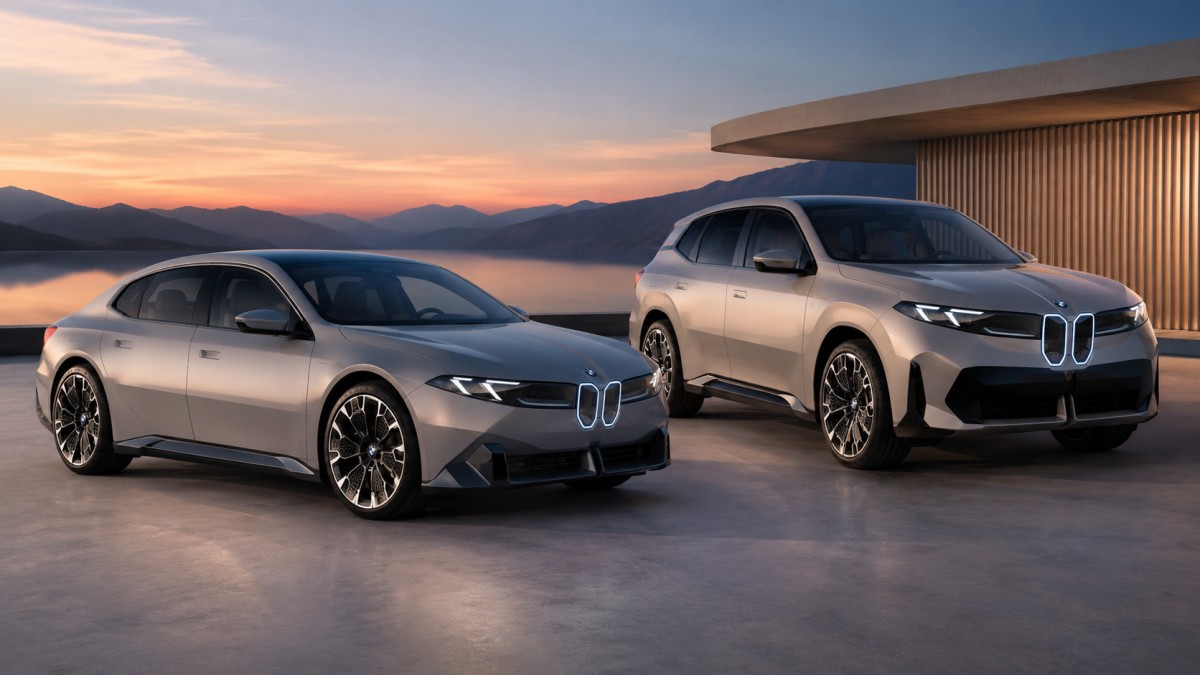
BMW Reveals Long-Wheelbase Neue Klasse i3 L and iX3 L for China and Asian Markets
BMW has officially introduced long-wheelbase versions of its upcoming Neue Klasse electric vehicles, the i3 L sedan and iX3 L SUV, designed primarily for the Chinese market. The announcement highlights BMW’s aggressive push to strengthen its position against rapidly growing Chinese EV manufacturers while also expanding its appeal across other Asian markets.
The new models are more than simple stretched variants of existing vehicles. BMW has redesigned several aspects of both EVs to deliver improved comfort, upgraded luxury features, and market-specific styling touches tailored to customer preferences in China and neighboring countries.
Unlike earlier China-exclusive long-wheelbase BMW models, these new electric vehicles are also expected to reach markets such as India, Thailand, Indonesia, and Malaysia.
BMW’s Strategy Behind the Long-Wheelbase EVs
China has become the world’s most competitive electric vehicle market, with domestic brands offering increasingly luxurious interiors, advanced technology, and spacious rear seating at aggressive prices. Rear passenger comfort is especially important in China, where many luxury-car owners are often chauffeured rather than driving themselves.
BMW has long offered long-wheelbase sedans in China, but the Neue Klasse i3 L and iX3 L represent a much more ambitious approach. Instead of merely increasing cabin length, BMW has added exclusive features, improved seat comfort, redesigned exterior details, and introduced market-specific technology upgrades.
The company clearly wants these EVs to stand out not only against foreign rivals but also against Chinese electric brands that have rapidly gained market share in recent years.
BMW i3 L Brings Extra Space Without Losing Design Balance
The new BMW i3 L sedan receives one of the most noticeable upgrades in the lineup: a significantly extended wheelbase. The sedan now measures more than 118.1 inches (3 meters) between the axles, compared to approximately 114 inches (2.9 meters) on the standard-wheelbase version.
That increase translates directly into more rear passenger room, especially for legroom. BMW says rear occupants benefit from a more spacious and comfortable cabin experience without compromising the sedan’s overall appearance.
Interestingly, the i3 L’s wheelbase is now even longer than that of the larger BMW i5 sedan. Despite the stretched dimensions, BMW designers managed to preserve the car’s balanced proportions. The extended rear doors blend naturally into the body design, helping the sedan avoid the awkward appearance often associated with long-wheelbase conversions.
The larger doors also improve access for rear passengers, making entry and exit easier in tight urban environments.
Claimed 1,000 km Driving Range Creates Major Buzz
One of the biggest highlights surrounding the i3 L is its estimated CLTC driving range of approximately 1,000 kilometers (620 miles). If achieved in real-world conditions, that would place the sedan among the longest-range electric vehicles available anywhere in the world.
For comparison, the standard-wheelbase European-spec i3 is expected to deliver around 900 kilometers (560 miles) under the WLTP testing cycle. While CLTC ratings are generally more optimistic than WLTP figures, the numbers still indicate major improvements in battery efficiency and energy management.
BMW has not yet released full battery specifications or charging performance details, but the claimed range alone positions the i3 L as a serious competitor in China’s premium EV market.
Illuminated M Logo Added for Chinese Buyers
BMW also introduced several styling touches specifically aimed at local customer preferences. The i3 L equipped with the M Sport package receives an illuminated M logo integrated into the C-pillar.
The glowing logo activates when the vehicle is unlocked, creating a dramatic lighting effect at night. BMW reportedly added this feature because illuminated exterior details remain highly popular among Chinese luxury-car buyers.
While subtle by Chinese luxury EV standards, the lighting element helps the i3 L stand out visually without dramatically altering the vehicle’s overall design philosophy.
BMW Replaces Electronic Door Handles With Mechanical Design
Both the i3 L and iX3 L introduce an important functional change: BMW has replaced pop-out electronic door handles with new mechanical flush-style handles.
Instead of using motorized extending handles, the updated design features recessed pull handles that sit flush with the body but operate mechanically. BMW’s decision appears to be linked to upcoming Chinese regulations expected to restrict or ban electronic pop-out handles on new vehicles starting next year.
The change also improves practicality. Mechanical handles are generally simpler, more reliable, and easier to operate in extreme weather conditions compared to motorized systems.
This move may signal a broader industry shift away from complicated electronic handles, which have become increasingly controversial in recent years due to reliability and safety concerns.
BMW iX3 L Focuses on Rear-Seat Comfort
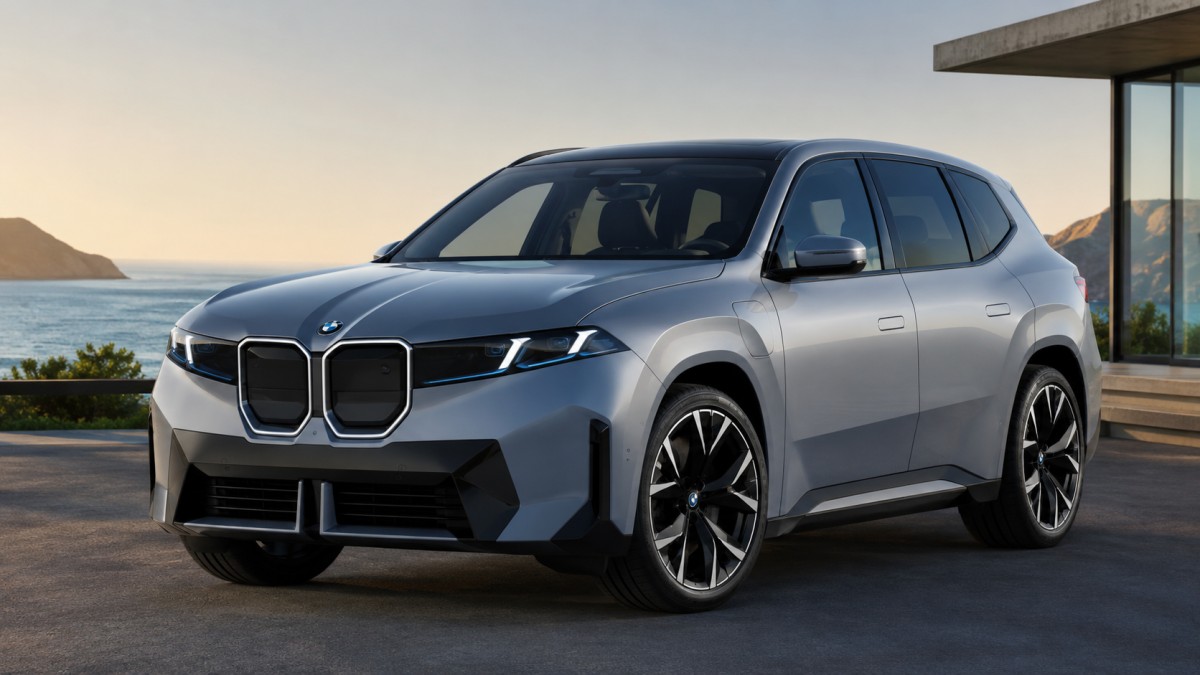
The new BMW iX3 L SUV receives a similar wheelbase extension treatment, but BMW has focused even more heavily on rear-seat luxury in the SUV variant.
Rear passengers gain additional legroom, improved seat cushioning, and enhanced recline capability for greater long-distance comfort. BMW has also added extra physical seat controls to simplify adjustments for rear occupants.
Unlike many modern vehicles that rely heavily on touchscreen menus, the inclusion of physical controls offers a more intuitive user experience, especially for passengers who prefer direct interaction.
BMW also created exclusive two-tone interior themes for the iX3 L that are not available on the standard-wheelbase version. These interior combinations help differentiate the long-wheelbase SUV as a more premium offering rather than simply a larger one.
SUV Design Helps Hide Extended Dimensions
Interestingly, the iX3 L’s extended wheelbase is less visually obvious than the sedan’s. The taller SUV body style naturally disguises the additional length more effectively.
BMW designers carefully maintained the vehicle’s exterior proportions, ensuring the SUV still looks balanced and athletic despite its larger footprint. This was likely a key priority, as overly stretched SUVs can sometimes appear awkward or oversized.
The company appears to have succeeded in maintaining the Neue Klasse design language while delivering the extra interior room demanded by Chinese buyers.
China Production Will Support Asian Expansion
BMW confirmed that both long-wheelbase EVs will be manufactured in China. However, unlike many earlier China-exclusive BMW models, the company plans to export these vehicles to several Asian markets.
The iX3 L has already been confirmed for countries including India, Indonesia, Thailand, and Malaysia, with additional regional launches likely in the future.
This strategy reflects growing confidence in China’s manufacturing capabilities as well as the increasing importance of Asia’s expanding EV market.
At the same time, BMW is expected to keep these long-wheelbase models away from Western markets such as United States and most of Europe.
Instead, European and American customers will receive Neue Klasse EVs produced at BMW’s factory in Hungary.
BMW Faces Intense Competition in China
BMW’s move comes at a critical moment for global automakers operating in China. Domestic EV brands have rapidly improved their technology, interiors, battery performance, and software ecosystems.
Chinese buyers now expect spacious interiors, premium rear-seat experiences, advanced digital features, and long driving ranges even in mainstream segments. Traditional luxury brands can no longer rely solely on brand recognition to maintain dominance.
By creating long-wheelbase EVs with region-specific upgrades, BMW is attempting to combine German engineering and premium brand value with the features Chinese consumers increasingly prioritize.
The Neue Klasse platform itself represents one of BMW’s most important projects in decades, serving as the foundation for the company’s next generation of electric vehicles.
A New Direction for BMW’s Electric Future
The i3 L and iX3 L demonstrate how BMW is adapting its global strategy for different regions rather than applying a one-size-fits-all approach.
These models are not merely stretched versions of existing EVs. They reflect a deeper understanding of changing customer expectations, especially in Asia’s fast-growing electric vehicle market.
With massive range claims, improved rear comfort, redesigned interiors, new mechanical door handles, and exclusive luxury touches, BMW appears determined to remain competitive against aggressive Chinese EV manufacturers.
The long-wheelbase Neue Klasse lineup may ultimately become one of the most important indicators of how global luxury brands evolve in the electric era.
Disclaimer:
This article is based on officially revealed information, early production details, and industry reports available at the time of writing. Final specifications, driving range figures, market availability, and features may vary depending on region and production updates.
Source:
BMW official announcements, industry reports, and automotive market updates regarding the Neue Klasse i3 L and iX3 L models.
One thought on “BMW Unveils Long-Wheelbase iX3 L and i3 L for Asia”